
 русский
 Español
 Português


Read More

Product Category
NEW Category
Contact us
Artificial Plant Wholesale: Materials, Styles, and Product Choices
Material selection is an important part of sourcing Artificial Plant Wholesale products. Artificial plants can be produced with different materials for leaves, stems, branches, flowers, trunks, and supporting components. Each material can provide different characteristics in terms of appearance, flexibility, texture, and handling.
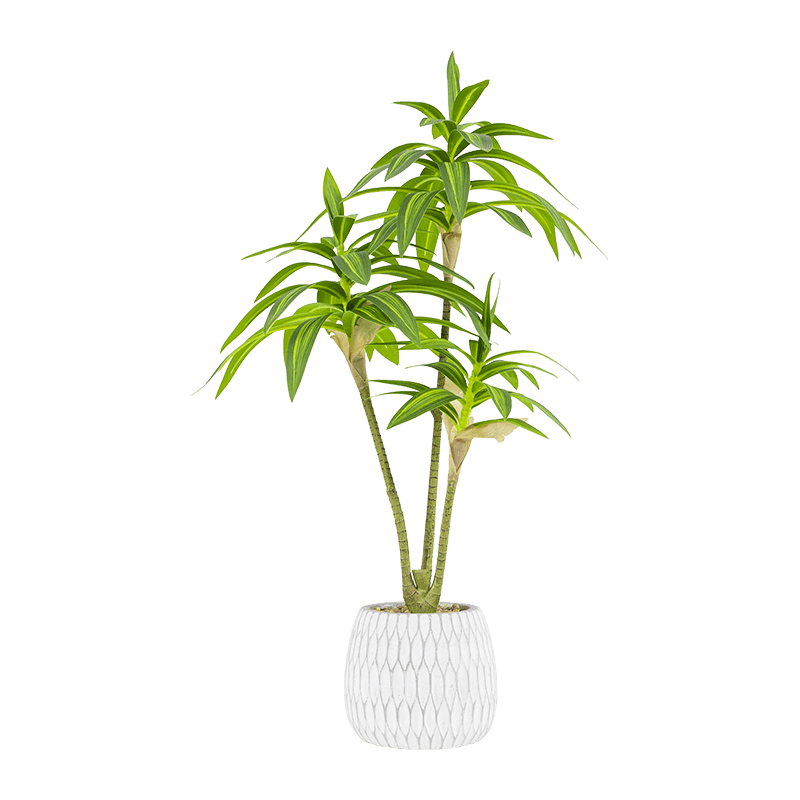
PE and other plastic materials are commonly used for artificial leaves and structural components. They can be shaped into different leaf forms and are suitable for a wide range of artificial plant designs. Plastic components can also be combined with other materials to create a more detailed appearance.
Fabric and silk-style materials are another option for artificial foliage and decorative plants. Fabric can support different textures, colors, and shapes, making it suitable for products designed for indoor decoration.
Latex and soft-touch materials are often considered when a more flexible surface is required. These materials can be formed into detailed leaf structures and may provide a different tactile experience compared with conventional plastic surfaces.
Mixed material construction is also used in artificial plant manufacturing. A single product may contain plastic stems, fabric leaves, coated branches, and other supporting materials. Buyers should therefore request material information for the complete product instead of evaluating only one visible component.
The intended environment should be considered when selecting materials. Indoor plants may have different material requirements from outdoor products exposed to sunlight, moisture, temperature changes, and other environmental conditions.
Popular Artificial Plant Styles
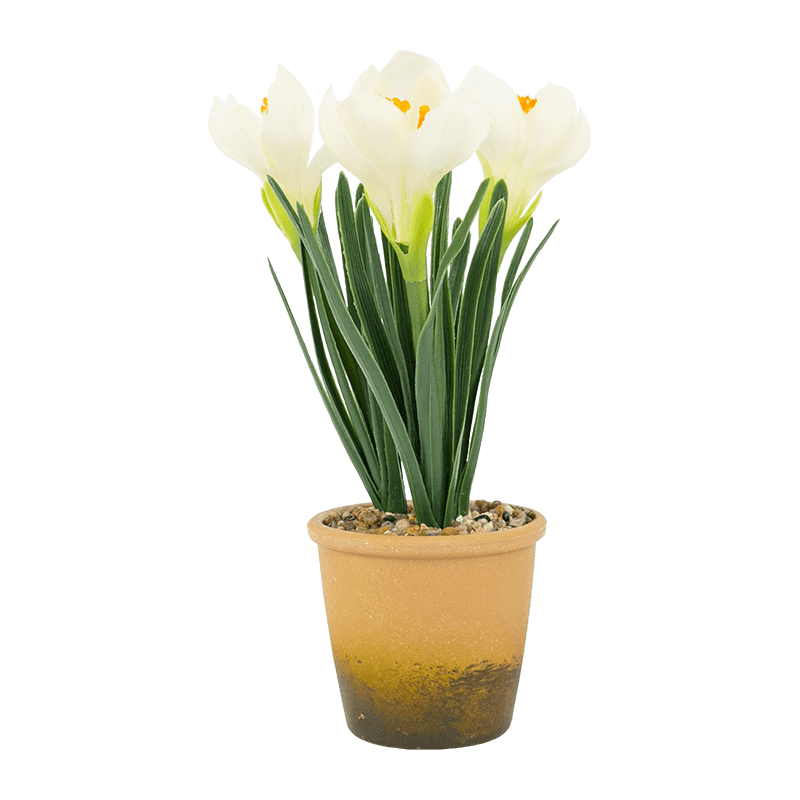
Artificial Plant Wholesale collections can include a wide range of plant styles. Potted plants are suitable for desks, counters, shelves, reception areas, and other spaces where a compact decorative product is required.
Artificial trees can provide a larger decorative presence. Palm trees, bamboo, ficus trees, olive trees, and other tree styles can be used in hotels, restaurants, offices, shopping areas, showrooms, and commercial interiors.
Artificial ferns and hanging plants can be used to add foliage to walls, shelves, ceilings, balconies, and other areas. Their flexible placement makes them useful for interior decoration projects with different spatial requirements.
Artificial vines and greenery can also be combined with other products. Vines can be placed around furniture, walls, display structures, and decorative frames. Greenery can also be used to fill spaces between larger plants.
Artificial plant walls and green wall panels provide another product category. They can cover larger surfaces and are often considered for commercial interiors, event decoration, retail displays, and hospitality spaces.
Matching Products With Market Requirements
The target market has an important influence on product selection. Retail stores may require a varied collection of compact potted plants, decorative trees, hanging products, and greenery. Product size and packaging can also affect how easily items can be displayed and sold.
Home decoration projects often require products that fit different room sizes and interior styles. Smaller potted plants can be used on furniture, while larger trees can be positioned in corners, entrances, or open areas.
Hotels and restaurants may require artificial plants for reception areas, dining spaces, corridors, guest rooms, and outdoor sections. The product style should correspond with the overall interior design and available space.
Offices can use artificial greenery around reception desks, meeting rooms, workspaces, and common areas. Buyers may consider products that are easy to arrange and store when the layout changes.
Outdoor landscaping requires additional attention to environmental exposure. UV resistant materials can be considered for areas receiving regular sunlight, while weather resistant construction may be relevant for spaces exposed to changing conditions.
Online retailers may need products with clear specifications and suitable packaging. Product descriptions should provide information about dimensions, materials, pot styles, and intended applications so customers can understand what they are purchasing.
By matching material choices, plant styles, product formats, and application requirements, buyers can create an Artificial Plant Wholesale collection that corresponds with the needs of their intended market.
PREV:Artificial Plants Bring Practical Style to Small Spaces and Commercial Interiors
NEXT:Artificial Grass Lawn Wholesale: Gardenia Leaf Turf and Panels
NEXT:Artificial Grass Lawn Wholesale: Gardenia Leaf Turf and Panels
Interested in cooperation or have questions?
 Ready To Customise
Your Realistic Plants Products?

Product Categories
Quick Links
Contact Us
-
Telephone: +86-15957939205

-
Email: jenny@hansycraft.com

-
Add: No. 185 Xigang Street, Xiaoshun Town, Jindong District, Jinhua City, Zhejiang Province, P.R.China

-
whatsapp: 8615957939205
-
Website: Sitemap
