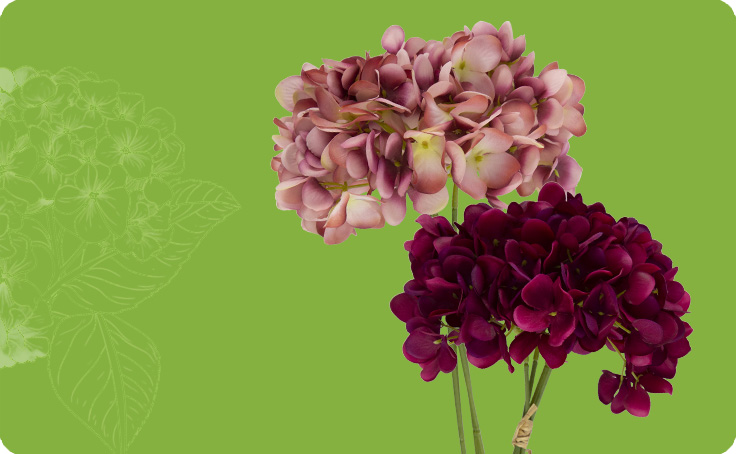
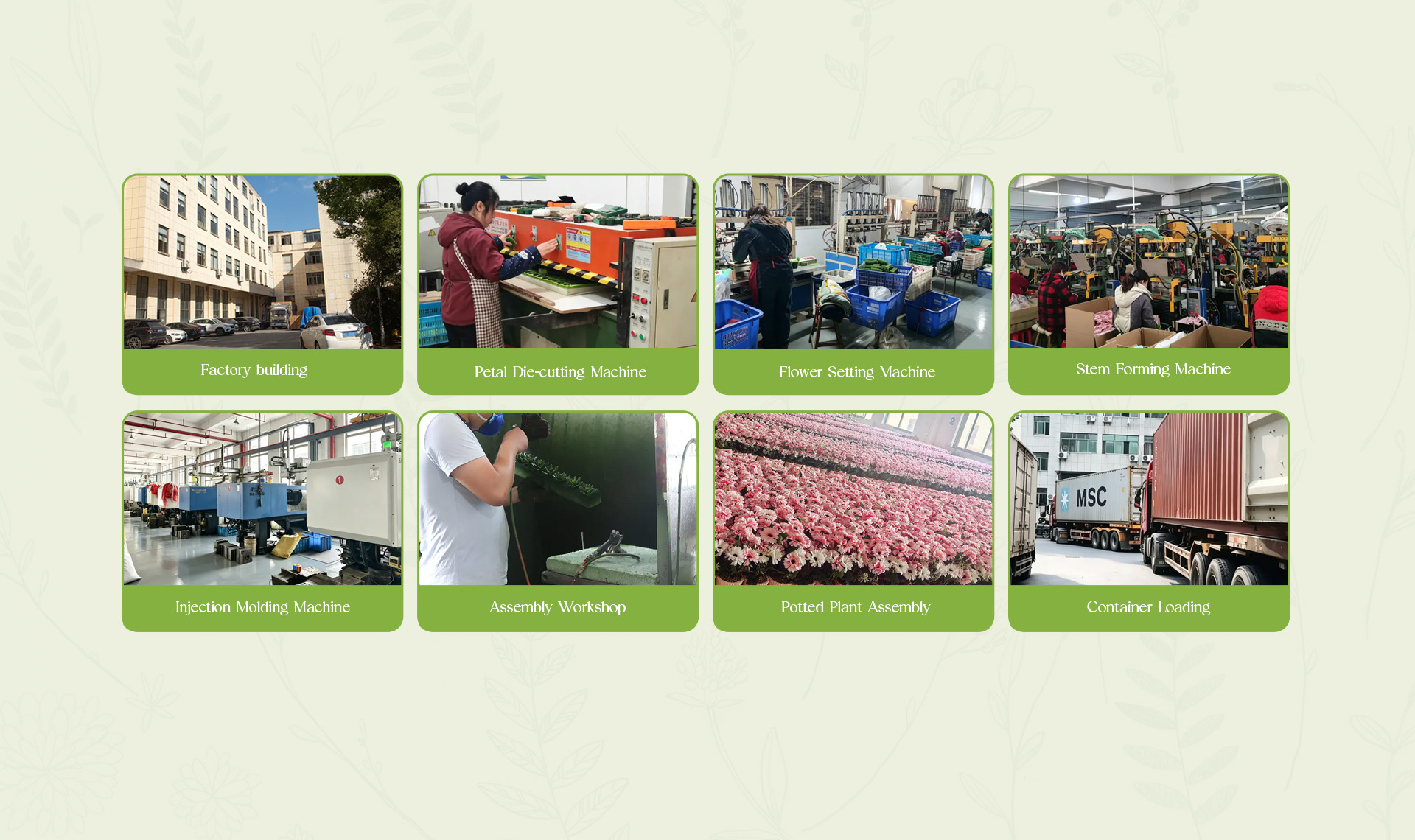
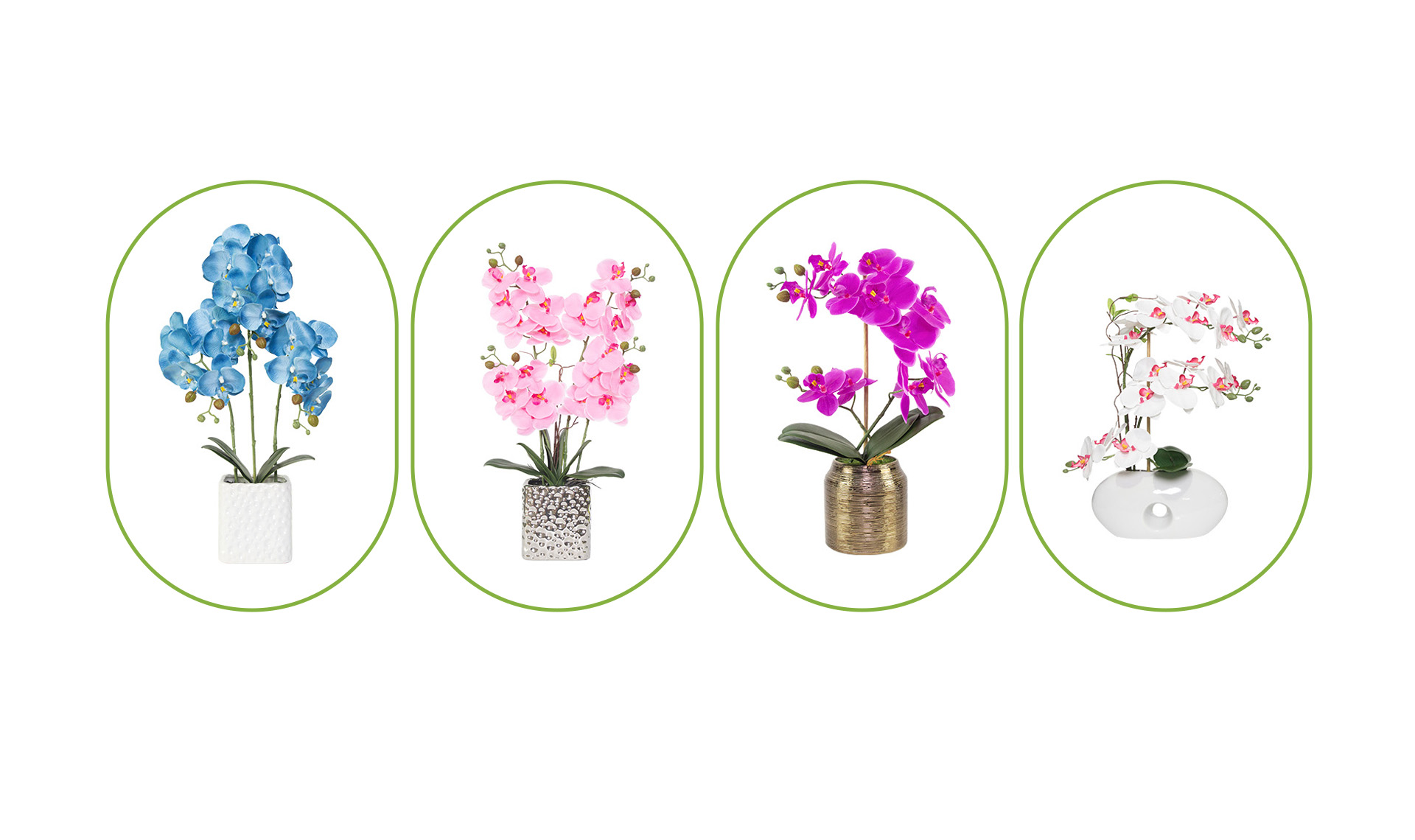
Artificial flowers are widely used in home decoration, commercial spaces, wedding arrangements, gift collections, and seasonal displays. Behind each floral product is a manufacturing process that combines material selection, design planning, production techniques, and quality management.
For businesses looking for customized floral products, working with an Artificial Flower Manufacturer provides opportunities to explore different flower styles, materials, and production methods. Understanding how artificial flowers are made can help buyers communicate their requirements and select suitable solutions for different applications.

From realistic petal structures to decorative arrangements, artificial floral products involve multiple production steps. Each stage influences the appearance, function, and presentation of the final product.
Common Materials Used in Artificial Flowers
Material selection plays an important role in artificial flower production. Different materials create different textures, appearances, and usage experiences.
Fabric Materials
Fabric is commonly used for artificial flower petals and leaves. Different fabric types can create various visual effects, including:
- Soft petal surfaces
- Natural-looking shapes
- Flexible structures
- Decorative textures
Manufacturers select suitable fabrics according to the flower design and application requirements.
Silk-Like Materials
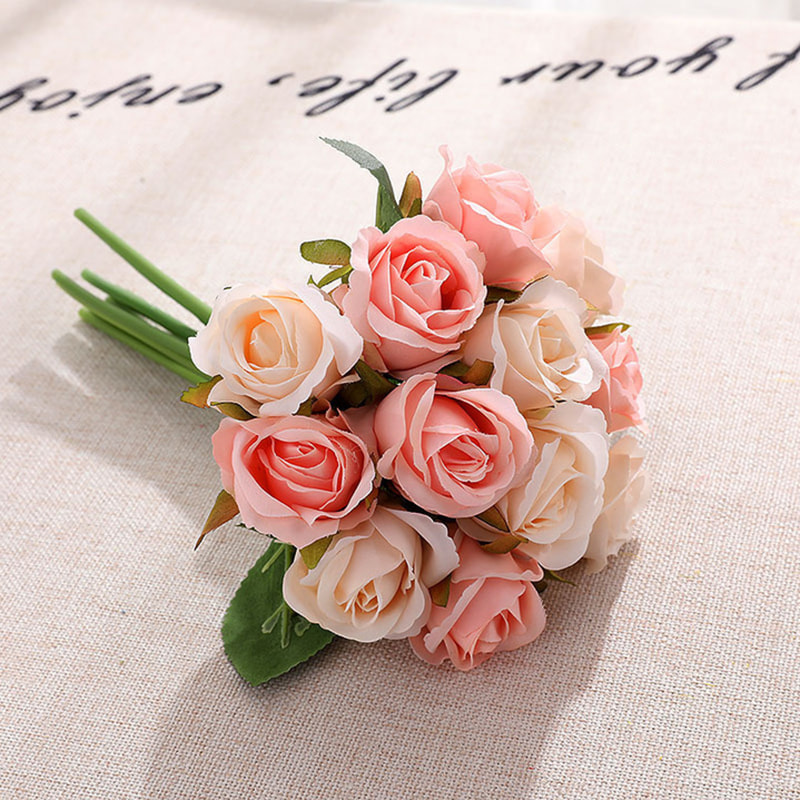
Silk-like materials are often chosen for floral products that require a smooth appearance and detailed petal designs. These materials can help create decorative flowers suitable for:
- Home interiors
- Wedding arrangements
- Gift products
- Display projects
The material choice depends on the desired style and product concept.
Plastic Components
Plastic parts are often used for flower stems, leaves, and structural elements. These components provide support and help maintain product shape during use.
Common applications include:
- Stem structures
- Leaf connections
- Decorative accessories
- Foam Materials
Foam components may be used in certain artificial flower designs to create specific shapes and textures. They are often applied in decorative arrangements that require special forms.
Wire Stems
Wire elements are commonly used inside flower stems to provide flexibility. They allow users to adjust arrangements according to different decoration needs.
Flower Petal Design and Manufacturing Techniques
The appearance of artificial flowers depends greatly on production techniques. An Artificial Flower Manufacturer uses different methods to create detailed floral designs.
Petal Shaping
Petal shaping is an important process that affects the overall flower appearance. Manufacturers may adjust:
- Petal curves
- Flower structure
- Layer arrangements
- Natural forms
This process helps create different flower styles for various applications.
Color Treatment
Color design influences the visual effect of artificial flowers. Production teams may use different methods to create:
- Single-color flowers
- Multi-color designs
- Gradient effects
- Seasonal themes
Color customization allows businesses to develop floral products that match specific design concepts.
Texture Processing
Texture details help improve the appearance of artificial flowers. Manufacturers may focus on:
- Petal surface details
- Leaf patterns
- Shape consistency
- Decorative elements
These details contribute to the overall presentation of floral products.
Assembly Methods
Artificial flower assembly involves combining different components, such as:
- Petals
- Leaves
- Stems
- Decorative parts
Careful assembly helps create complete floral products suitable for different markets.
Main Steps of Artificial Flower Production
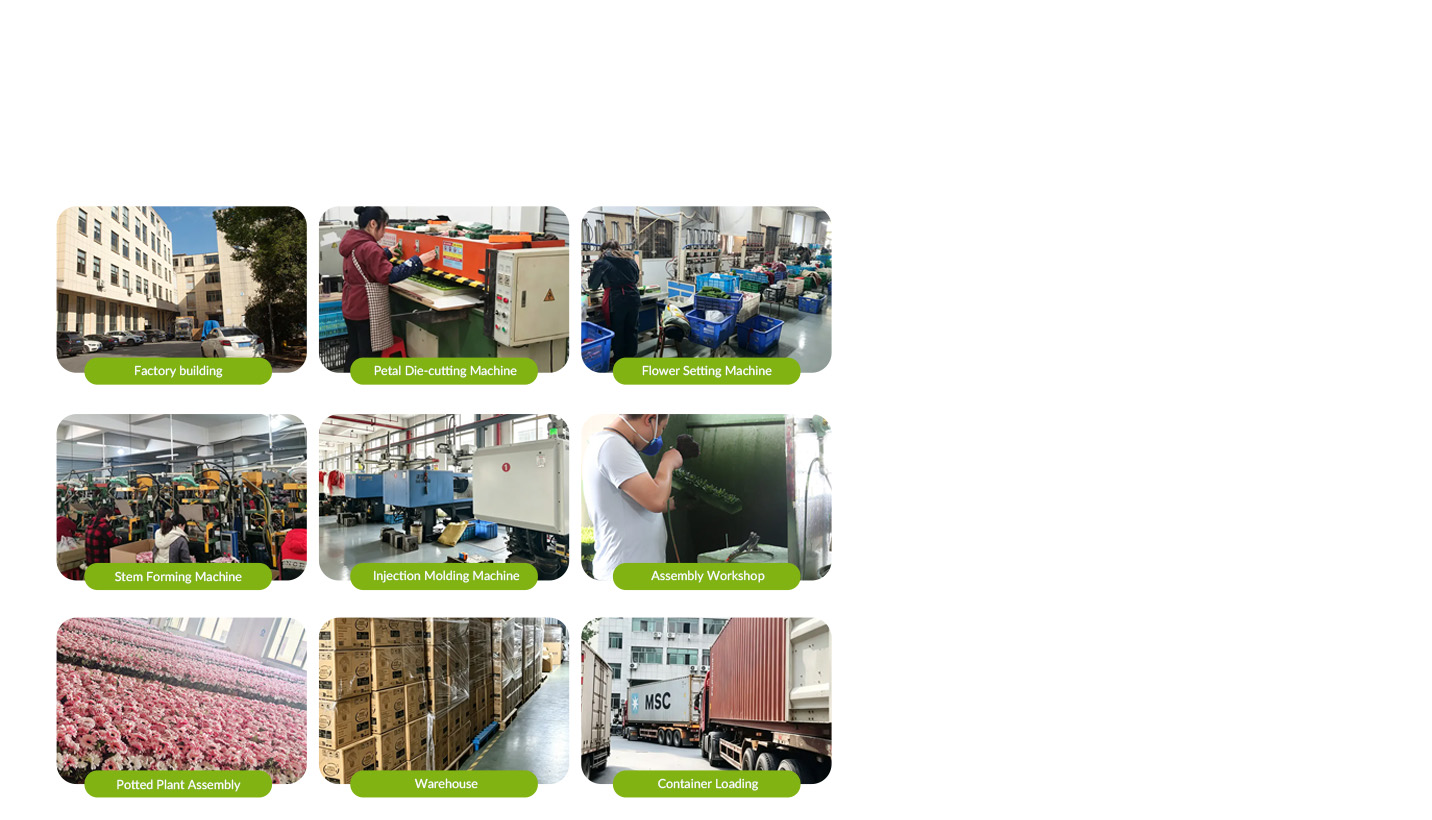
The production process of artificial flowers includes several stages from design preparation to packaging.
Product Design Preparation
The process begins with product concepts and design planning. Businesses may provide ideas based on:
- Market needs
- Decoration themes
- Customer preferences
- Seasonal collections
Manufacturers review these requirements and prepare suitable production plans.
Material Preparation
After design confirmation, suitable materials are selected and prepared. This stage includes:
- Fabric selection
- Color preparation
- Component arrangement
- Production planning
Material preparation helps maintain consistency throughout manufacturing.
Flower Forming Process
During this stage, different parts are shaped and prepared according to the product design.
The process may involve:
- Petal creation
- Leaf forming
- Stem preparation
- Component matching
- Assembly Process
Individual parts are combined into complete flowers or arrangements. This stage requires attention to:
- Structure
- Appearance
- Component connection
- Overall design
- Packaging Preparation
After production, products are prepared for different sales channels. Packaging may include:
- Retail boxes
- Protective materials
- Product information cards
- Decorative packaging
Quality Checking During Production
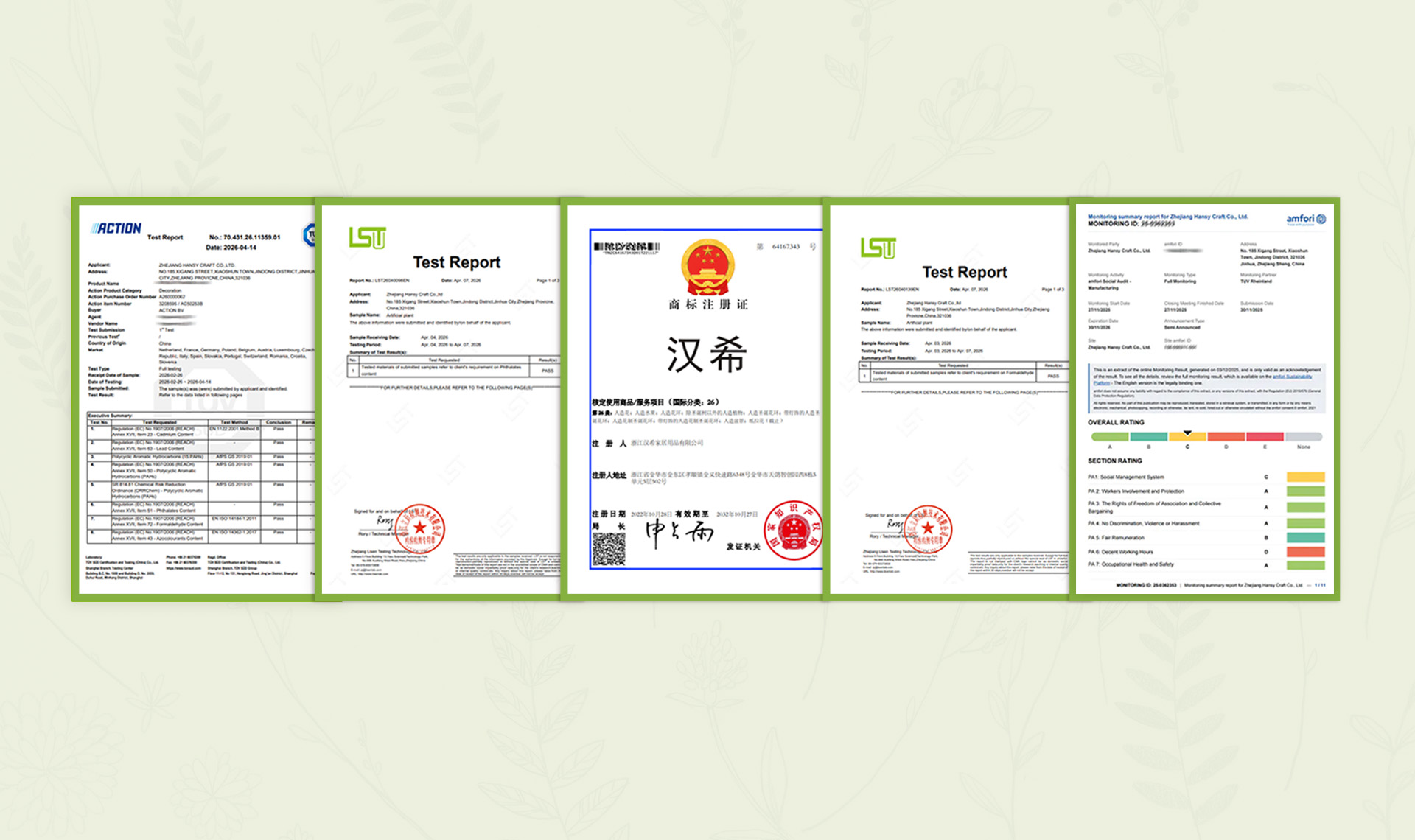
Quality management is an important part of artificial flower manufacturing. An Artificial Flower Manufacturer usually checks different aspects throughout production.
Color Inspection
Manufacturers review flower colors to ensure they match approved designs and customer requirements.
Shape Checking
Flower structures are examined to check:
- Petal arrangement
- Product appearance
- Component connection
- Overall presentation
Material Review
Material inspection helps confirm that selected components match project requirements.
Packaging Inspection
Before products are prepared for shipment, packaging details are reviewed, including:
- Product placement
- Package appearance
- Label information
- Protection methods
Material Selection for Different Applications
Different industries have different expectations for artificial floral products.
Home Decoration
Home decoration projects often focus on:
- Natural-inspired designs
- Interior matching
- Long-term decorative use
- Wedding Projects
Wedding suppliers may require:
- Bouquet designs
- Venue decoration styles
- Theme-based floral arrangements
- Commercial Spaces
Hotels, restaurants, and offices may use artificial flowers for:
- Interior decoration
- Reception areas
- Display spaces
- Gift Products
Gift companies often focus on:
- Decorative appearance
- Packaging presentation
- Special occasion themes
- Supporting Customized Artificial Flower Projects
The production of artificial flowers combines creative design, material knowledge, and manufacturing skills. An Artificial Flower Manufacturer can help businesses develop products that match different markets through customized designs, suitable materials, and organized production processes.
Understanding materials and manufacturing methods allows buyers to communicate their ideas more clearly and create floral products suitable for decoration, retail, events, and gifting applications.