
 русский
 Español
 Português


Read More

Product Category
NEW Category
Contact us
Artificial Flowers Wholesale: Materials, Styles, and Product Options
Two artificial flower items can sit next to each other on a shelf, look almost identical in a photograph, and still sell for very different prices. The difference is almost always material and construction. Understanding what each material does helps wholesale buyers choose products that match a market, a price band and a use case — instead of ordering on appearance alone.
Why Material Choice Drives Resale Value
Material affects four things a buyer is judged on: how realistic the item looks up close, how well it survives handling and storage, how long the colour lasts, and how much the item costs to freight. A heavier, better-shaped flower may justify a premium in a hotel project; a lighter, simpler stem may be the right choice for a high-volume supermarket display. Neither is “better” — the question is whether the material matches the channel it will be sold into.
Fabric Flowers: Polyester and Silk-Like Materials
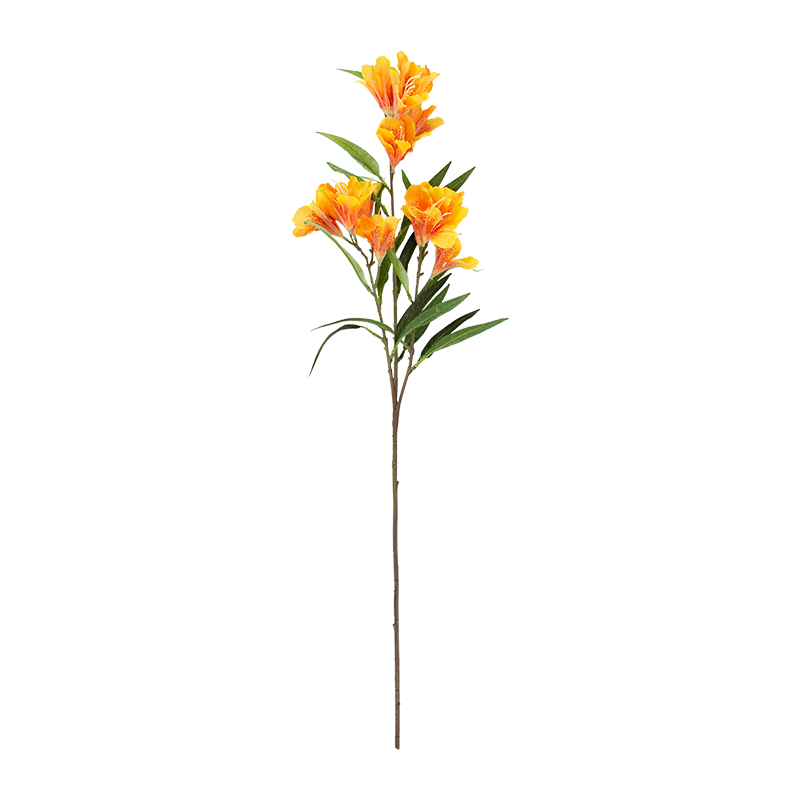
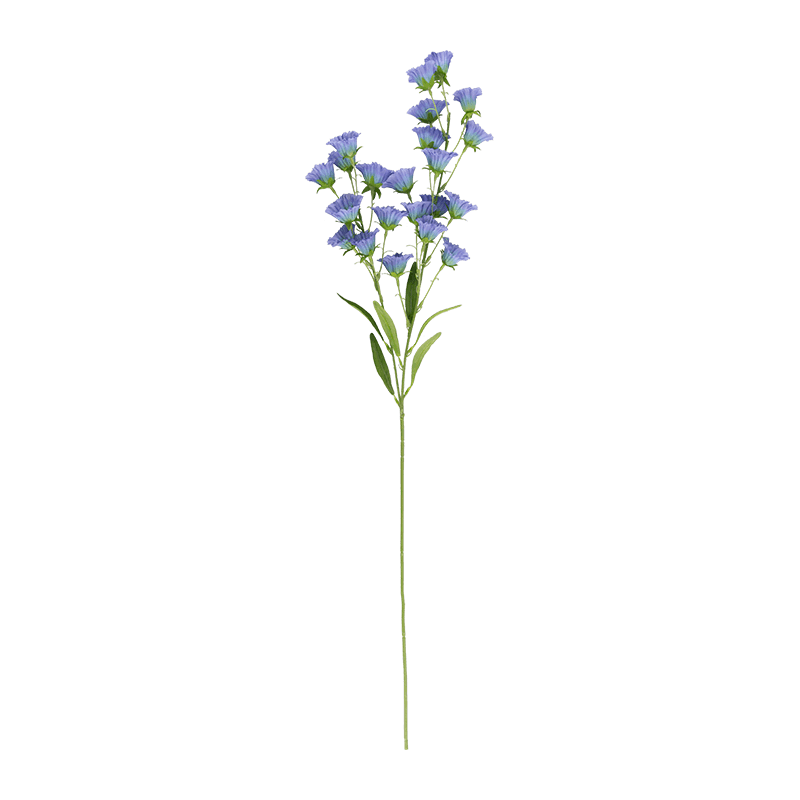
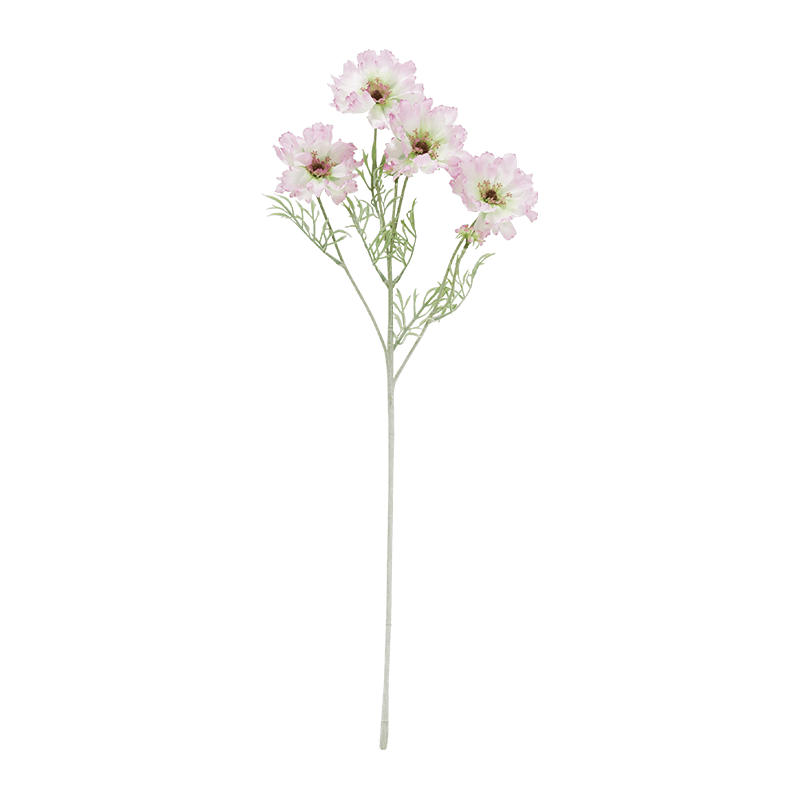
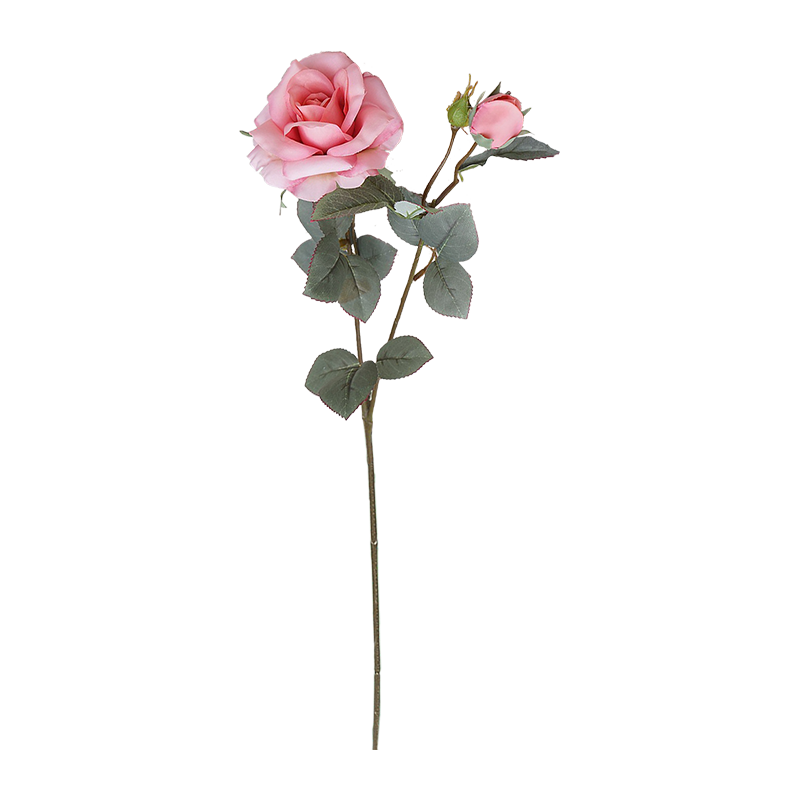
Fabric petals are made from polyester, sometimes described as silk-like because of the soft drape and subtle sheen. Printing or dyeing gives fine gradients and veining that read well in daylight, which is why fabric is the usual choice for spray flowers, roses, peonies and mixed bouquets. Fabric items are light, pack compactly and take colour across a wide palette. They are typically kept indoors or in covered areas, since prolonged direct sun will gradually soften the colour.
PE and PU: Structure and Outdoor Durability
PE (polyethylene) and PU (polyurethane) are firmer, moulded materials. Petals and leaves keep a defined shape, resist crushing in transit, and hold up far better in ultraviolet light, which makes them the standard choice for outdoor planters, balconies and entrance arrangements. PE is also the material behind most artificial grass lawn and boxwood panels. Because the form is moulded rather than cut and printed, colour options are usually broader in flat tones than in fine gradients. A direct comparison is set out in our guide to silk versus PE artificial flowers.
Plastic, Foam and Composite Components
Very few artificial plants are made from a single material. Stems are normally plastic-wrapped wire so they can be bent and shaped; berries and buds may be moulded plastic; potting soil is usually foam or a moulded composite that holds the arrangement in place and adds realistic weight. When you assess an item, check the whole construction rather than the flower head alone — a well-made stem and a properly stabilised pot are what make an arrangement look convincing from a distance.
Formats: Spray, Bush and Hanging
Format determines how a buyer merchandises the product. Sprays are single stems with multiple flower heads, used for arrangement and vase filling. Bushes combine several stems on one base for a fuller, ready-made look, often sold as a unit for planters and borders. Hanging plants trail downward and are used for balconies, pergolas and ceilings. Each format carries a different MOQ logic, because the number of pieces per carton varies widely.
Potted Flowers, Plants and Trees
Potted items arrive ready to display, which raises both the unit value and the freight cost. Potted flowers and potted plants suit gift and home décor ranges; butterfly orchids and succulents are strong impulse categories; artificial trees are usually sold to offices, hotels and landscaping projects where height and pot finish are specified. Pot material — ceramic, cement-look, woven or plastic — is often customisable and changes the price more than the plant itself.
Seasonal Items and Grass Lawn
Seasonal demand concentrates into short windows, so lead time matters more than unit cost. Christmas trees and seasonal garlands need to be produced and loaded months ahead of the selling season, and buyers usually reserve capacity early. Artificial grass lawn behaves like a building material rather than a décor item: buyers specify pile height, density and backing, and order volume is driven by project area rather than piece count.
Matching Products to Sales Channels
As a working rule: fabric flowers for indoor retail and hospitality; PE and PU for outdoor and contract use; potted items for gift and home channels; sprays and bushes for volume floral display; grass lawn and trees for project supply. Buyers who plan a range around these pairings generally avoid the two most expensive mistakes in this trade — importing an item that fades outdoors, and paying for outdoor durability in a product that never leaves a shelf.
Next Steps
If you tell us the channel you sell into and the price band you are targeting, we can recommend a material and format mix rather than a flat list of items. Send your requirements to our export team, or review the full product range and shortlist the categories you would like quoted.
PREV:Artificial Plant Wholesale: What Buyers Check Before Ordering
NEXT:Bulk Fake Plants Buying Guide
NEXT:Bulk Fake Plants Buying Guide
Interested in cooperation or have questions?
 Ready To Customise
Your Realistic Plants Products?

Product Categories
Quick Links
Contact Us
-
Telephone: +86-15957939205

-
Email: jenny@hansycraft.com

-
Add: No. 185 Xigang Street, Xiaoshun Town, Jindong District, Jinhua City, Zhejiang Province, P.R.China

-
whatsapp: 8615957939205
-
Website: Sitemap
