
 русский
 Español
 Português


-
 2026/09/11
Artificial Flower Manufacturer for Custom Designs
2026/09/11
Artificial Flower Manufacturer for Custom Designs
Standard artificial flowers can serve many decoration needs, but some buyers require designs that match a particular theme, color system, interior concept, or retail collection. Custom artificial flowers are therefore used by wedding planners, hotels, event companies, retailers, interior designers, and distributors.
An artificial flower manufacturer can develop products according to specific requirements covering flower shape, color, size, material, stem structure, foliage, arrangement, and packaging.
Customization can also help buyers create a coordinated product collection. Several flower styles can share similar colors, materials, packaging, or design elements while serving different decorative applications.
Custom Flower Shapes and Colors
Flower shape is one of the key areas of customization. Buyers may provide reference images or physical samples to show the desired petal structure, flower center, leaf form, or overall appearance.
Color can also be adjusted according to a buyer's requirements. Custom colors may be used for wedding themes, hotel interiors, retail collections, seasonal displays, and event decoration.
A custom color system can include flowers, leaves, stems, wrapping materials, and other decorative components. This allows several products within the same collection to maintain a coordinated appearance.
Buyers can also request different flower sizes. A large flower arrangement may require larger floral heads, while table decorations can use smaller flower forms.
Materials and Product Structure
Material selection is another important part of custom product development. Fabric, polyester, latex, PE, and other materials can be selected according to the required flower structure and surface appearance.
Fabric and polyester can be used for petals and leaves with different shapes and textures. Latex can provide a different tactile effect, while PE can support molded floral components.
Stem construction can also be adjusted. Buyers may request specific stem lengths, colors, flexibility, or connection methods depending on how the product will be displayed.
For bouquets, the arrangement of individual stems, flowers, and foliage can be customized. The buyer can specify the flower combination, color arrangement, wrapping style, and overall shape.
Custom Product Development
Custom development can begin with a drawing, photograph, physical sample, color reference, or written product description. The more clearly the requirements are presented, the easier it can be for the production team to understand the intended design.
The manufacturer can review the requirements and discuss suitable materials and production methods. Product details such as flower dimensions, petal structure, leaf placement, stem length, and color can then be confirmed.
A sample can be produced for review. Buyers can examine the physical sample and compare it with the requested design.
If adjustments are needed, changes can be made to the flower shape, color, material, size, stem, foliage, or packaging. This stage allows both sides to confirm the product before batch production.
OEM and ODM Projects
OEM projects allow buyers to develop artificial flowers according to their own product specifications and brand requirements. ODM projects can involve product development based on a manufacturer's existing production capabilities and design resources.
Brand elements can be incorporated into labels, packaging, product cards, stickers, boxes, and other presentation materials.
Private-label buyers may request custom packaging alongside custom flowers. The packaging can include a brand name, product description, care information, barcodes, or other information required for retail distribution.
Clear approval procedures are useful for these projects. Product specifications, artwork, samples, and packaging details can be documented before production begins.
Custom Flowers for Weddings and Events
Wedding decoration is a common application for customized artificial flowers. Wedding planners can request specific flower colors and combinations to match venue decoration, table settings, fabrics, lighting, and other visual elements.
Custom bouquets can be prepared for reception areas, tables, entrances, stages, and photo areas. Floral arches, wall displays, hanging decorations, and centerpieces can also use customized flower products.
Event companies may require coordinated products for different areas of the same venue. Matching colors and flower styles can help create a consistent decorative theme.
Custom Flowers for Commercial Spaces
Hotels, restaurants, retail stores, and commercial interiors can also use customized artificial flowers. Product dimensions can be designed around available spaces such as reception counters, tables, display windows, shelves, and entrance areas.
Retailers may use custom flowers for seasonal collections or promotional displays. Hotels may request arrangements that correspond with their interior design.
When a buyer plans to reorder the same product, an approved sample and detailed product specification can provide a reference for later production. This can help maintain consistency across different orders.
-
 2026/09/04
Artificial Flower Manufacturer for Wholesale Orders
2026/09/04
Artificial Flower Manufacturer for Wholesale Orders
Artificial flowers are widely used by retailers, distributors, event decorators, interior designers, hotels, restaurants, and home decoration businesses. For these buyers, working with an artificial flower manufacturer can provide access to a broader product range and a structured purchasing process.
Wholesale buyers often need more than a single flower style. A retail collection may include individual stems, bouquets, decorative arrangements, wreaths, garlands, and artificial greenery. Offering several product categories allows buyers to build collections for different customer preferences and decoration settings.
Individual stems can be used by customers who create their own floral arrangements. Bouquets provide a ready-made decorative option, while wreaths and garlands can be used for walls, doors, tables, windows, and seasonal displays. Artificial greenery can also be combined with flowers or sold as an independent decorative product.
Product Selection for Wholesale Orders
Product selection is an important stage in wholesale purchasing. Buyers can review flower types, colors, materials, sizes, stem structures, and arrangement styles before preparing an order.
Common artificial flowers include roses, peonies, tulips, orchids, hydrangeas, lilies, sunflowers, and other decorative varieties. Foliage products can include eucalyptus branches, vines, leaves, and decorative stems.
Different customers may have different requirements. A home decoration retailer may prefer individual flowers and small bouquets, while an event supplier may need larger arrangements or coordinated floral collections.
Wholesale buyers can also consider seasonal demand when preparing a product range. Floral colors and arrangements can be selected according to wedding decoration, holiday decoration, spring collections, autumn displays, or general interior decoration.
Choosing an Artificial Flower Manufacturer
Supplier selection involves several factors. Buyers can review the manufacturer's product categories, production capabilities, sample process, customization services, packaging options, and communication procedures.
A factory that handles production internally can provide buyers with a clearer production process. Buyers may ask about the production of flower heads, petals, leaves, stems, bouquets, and other components.
Samples are useful before a wholesale order is confirmed. A physical sample allows buyers to check the flower shape, material, color, size, stem structure, and general appearance.
For customized orders, buyers can also discuss OEM and ODM requirements. These may include flower colors, dimensions, materials, bouquet arrangements, labels, logos, and packaging.
Clear communication can help both sides understand the product requirements. Buyers can prepare product names, reference images, colors, sizes, materials, packaging instructions, and other specifications before sending an inquiry.
Wholesale Order Preparation
A wholesale order can be organized around several product details. Buyers can prepare a product list that includes the selected flower styles, colors, materials, sizes, and packaging requirements.
If several products are ordered together, each item can be assigned a product code or clear description. This can make communication and inventory management easier.
Buyers can also discuss packaging before production begins. Individual stems may require protective sleeves, while bouquets may need wrapping that helps preserve their arrangement. Wreaths and garlands can require larger cartons with suitable internal space.
Labels and printed materials can also be discussed for retail products. Product names, care information, packaging artwork, and brand elements can be incorporated according to the buyer's requirements.
Batch Production and Order Management
After the product specifications are confirmed, the manufacturer can prepare the production process. Materials can be arranged according to the approved product requirements, while production teams can follow samples and specifications during assembly.
Quality checks can take place throughout production. Flower shape, color, petal arrangement, leaf attachment, stem connection, and overall appearance can be reviewed before products are packed.
Wholesale buyers can also request pre-shipment inspection according to their purchasing requirements. This allows product appearance and packaging to be checked before the shipment leaves the factory.
Packaging and Shipment
Packaging plays an important role in wholesale artificial flower orders. Petals, leaves, stems, and decorative components can be affected by pressure during handling, so packaging should correspond with the structure of each product.
Individual flowers can be separated into protective packaging. Bouquets can be wrapped according to their shape, while wreaths and garlands can be arranged inside cartons with suitable internal protection.
For international orders, buyers can discuss sea freight, air freight, LCL, or FCL according to their shipping plans. Carton dimensions and packing arrangements can also be reviewed before shipment.
After arrival, buyers can organize products by flower type, color, collection, and application. Proper storage and inventory organization can make wholesale distribution easier and help preserve the appearance of artificial flowers.
-
 2026/08/28
Artificial Flowers China Materials and Production Process
2026/08/28
Artificial Flowers China Materials and Production Process
Artificial flowers are widely used in home decoration, commercial spaces, wedding arrangements, gift collections, and seasonal displays. Behind each floral product is a combination of material selection, design planning, production techniques, and quality management.
For businesses searching for Artificial Flowers China, understanding the manufacturing process can help buyers communicate their requirements more clearly and select suitable products for different applications. The production of artificial flowers involves multiple steps, from choosing materials and creating flower structures to assembling components and preparing packaging.
China has developed a broad manufacturing network for decorative floral products, offering different styles, materials, and production methods for global markets. Suppliers work with buyers to develop products that match specific design concepts, customer preferences, and business applications.
Common Materials Used in Artificial Flowers
Material selection is an important part of artificial flower production. Different materials create different textures, appearances, and product characteristics.
Fabric Materials for Flower Petals
Fabric materials are commonly used for creating flower petals and leaves. Different fabrics can provide various visual effects, including:
- Soft petal surfaces
- Flexible flower structures
- Decorative textures
- Different color appearances
Manufacturers select suitable fabric types according to flower designs and application requirements.
Fabric-based artificial flowers are often used in:
- Home decoration
- Wedding arrangements
- Gift products
- Retail collections
The choice of fabric can influence the overall look and feel of the final product.
Silk-Like Materials for Decorative Flowers
Silk-like materials are commonly used in artificial flower production because they can create smooth surfaces and detailed petal designs.
These materials are suitable for products such as:
- Artificial roses
- Artificial orchids
- Decorative bouquets
- Floral arrangements
Manufacturers can adjust the material style according to customer requirements, helping create products suitable for different decoration themes.
Silk-like artificial flowers are often selected for projects that focus on visual presentation and decorative effects.
Plastic Components in Artificial Flower Production
Plastic parts are commonly used for structural components in artificial flowers. These parts help support flower shapes and connect different elements.
Common uses include:
- Flower stems
- Leaf structures
- Internal supports
- Decorative accessories
Plastic components help maintain product structure during transportation, storage, and display.
Manufacturers carefully select suitable plastic materials according to product design and usage requirements.
Foam Components and Wire Structures
Some artificial flowers use foam materials to create special shapes and decorative details. Foam components can help form specific flower structures and add different textures.
Wire structures are also widely used in flower stems. They provide flexibility and allow users to adjust flower arrangements according to decoration needs.
These materials are often combined with other components to create complete floral products.
Flower Design and Manufacturing Techniques
The appearance of artificial flowers depends on production techniques and design details. An Artificial Flowers China supplier usually combines creative design with manufacturing methods to create different floral styles.
Petal Shaping Process
Petal shaping is an important step in creating artificial flowers. During this process, manufacturers focus on:
- Petal curves
- Flower layers
- Shape adjustment
- Overall structure
Different shaping methods can create different flower appearances.
Color Processing
Color design plays an important role in artificial flower production. Manufacturers may create different color effects, such as:
- Single-color designs
- Mixed color combinations
- Seasonal color themes
- Decorative color styles
Color selection is often based on customer requirements and market applications.
Texture Development
Texture details can improve the visual appearance of artificial flowers. Production teams may focus on:
- Petal surface details
- Leaf patterns
- Natural-inspired shapes
- Decorative elements
These details help create products suitable for different environments.
Main Steps of Artificial Flower Production
The production process of Artificial Flowers China products includes several important stages.
Product Design Preparation
Production usually begins with product planning and design discussion.
This stage may include:
- Flower style selection
- Product concept development
- Material planning
- Color discussion
Businesses can share their ideas and application needs with suppliers during this stage.
Material Preparation
After design planning, manufacturers prepare suitable materials.
This includes:
- Fabric selection
- Component preparation
- Color arrangement
- Production planning
Proper material preparation helps ensure smooth production.
Flower Forming and Assembly
During production, different components are shaped and combined.
The process may include:
- Petal forming
- Leaf attachment
- Stem assembly
- Decorative element installation
Careful assembly helps create complete artificial flower products.
Packaging Preparation
After production, artificial flowers are prepared for different sales channels.
Packaging options may include:
- Retail boxes
- Protective packaging
- Gift packaging
- Product information materials
Suitable packaging helps products arrive safely and supports different market requirements.
Quality Management During Manufacturing
Quality management is an important part of artificial flower production. Suppliers usually check different aspects during manufacturing.
Material Inspection
Materials are reviewed before production to ensure they match product requirements.
Inspection areas may include:
- Material appearance
- Color consistency
- Component condition
- Flower Shape Checking
Manufacturers check flower structures during production.
Common review points include:
- Petal arrangement
- Product appearance
- Component connection
- Overall design
Color Review
Color checking helps ensure products match approved designs.
Manufacturers review:
- Flower colors
- Decorative details
- Product consistency
- Packaging Inspection
Before products are prepared for shipment, packaging details are checked.
This may include:
- Package appearance
- Product placement
- Label information
- Protection methods
Material Selection for Different Markets
Different industries have different requirements for artificial flowers.
Home Decoration Market
Home decoration businesses often focus on:
- Interior matching
- Decorative styles
- Seasonal collections
Artificial flowers are commonly used in living rooms, bedrooms, and other indoor spaces.
Wedding and Event Market
Wedding suppliers often require floral products for:
- Wedding bouquets
- Venue decoration
- Event themes
Customized designs help create suitable decoration solutions.
Commercial Decoration Market
Hotels, restaurants, and offices use artificial flowers for:
- Interior displays
- Reception areas
- Decorative spaces
Products need to match different design environments.
Gift Market
Gift companies may use artificial flowers for:
- Holiday products
- Decorative gifts
- Special occasion collections
Packaging and design are important factors for gift applications.
Supporting Global Buyers with Artificial Flower Manufacturing
For businesses searching for Artificial Flowers China, understanding materials and production methods helps create better cooperation with suppliers. From fabric selection and flower shaping to assembly and packaging, every stage contributes to the final product design.
Through suitable materials, customized production methods, and organized manufacturing processes, artificial flower suppliers can support different industries with decorative products for homes, events, commercial spaces, and retail markets.
-
 2026/08/21
Artificial Flowers China for Wholesale Custom Solutions
2026/08/21
Artificial Flowers China for Wholesale Custom Solutions
Artificial flowers have become a popular choice for decoration, retail collections, event arrangements, and gift products. Many international buyers are looking for reliable supply channels that can provide various floral styles, customized designs, and flexible product solutions. Artificial Flowers China has become a common search term for businesses that want to explore manufacturing resources and product development opportunities.
China’s artificial flower industry covers a wide range of products, from decorative bouquets and individual flowers to artificial plants and complete floral arrangements. These products are used in many fields, including home decoration, wedding planning, hospitality spaces, retail stores, and promotional activities.
For overseas buyers, working with suppliers from China provides access to different product styles and manufacturing services. Businesses can communicate their ideas, choose suitable flower designs, and develop collections that match their market requirements.
Different Types of Artificial Flowers Available in China
One important reason buyers search for Artificial Flowers China is the variety of available products. Different industries have different requirements, and suppliers can provide floral products for various applications.
Artificial Flower Bouquets
Artificial bouquets are widely used for decoration and gift purposes. They can include different combinations of flowers, leaves, and decorative elements.
Common bouquet styles include:
- Wedding bouquets
- Home decoration bouquets
- Seasonal floral collections
- Gift flower arrangements
Businesses can select colors, flower types, and arrangement styles based on customer preferences.
Artificial Single Flowers
Single artificial flowers provide flexibility for different projects. Popular options include:
- Artificial roses
- Artificial orchids
- Artificial tulips
- Artificial lilies
These flowers can be displayed individually or combined with other decorative elements.
Artificial Plants and Greenery
Artificial plants are commonly used in interior decoration. Products may include:
- Artificial leaves
- Decorative branches
- Green plants
- Hanging plant designs
They are suitable for homes, offices, hotels, and commercial environments.
Custom Floral Arrangements
Some projects require special floral concepts. Customized arrangements may include:
- Table decorations
- Event displays
- Interior decoration pieces
- Seasonal themes
Manufacturers can work with buyers to develop designs based on specific requirements.
Wholesale Solutions for International Buyers
Many businesses search for Artificial Flowers China because they need wholesale supply options for their markets. Wholesale cooperation allows retailers, distributors, and decoration companies to build product collections with different styles and categories.
Product Collection Development
Wholesale buyers may require various floral products within a collection. Suppliers can support product planning through:
- Different flower categories
- Matching decorative items
- Coordinated color themes
- Seasonal product concepts
This approach helps businesses prepare suitable products for different customer groups.
Flexible Product Selection
Different markets have different decoration preferences. Buyers may select products according to:
- Home decoration styles
- Event themes
- Retail trends
- Customer interests
A wide product selection helps businesses create collections that fit their sales channels.
Custom Artificial Flower Development Services
Customization is an important part of artificial flower purchasing. An Artificial Flowers China supplier can provide support for businesses that need personalized products.
Custom Flower Designs
Businesses may request specific floral styles, including:
- Special flower shapes
- Unique arrangements
- Decorative combinations
- Theme-based designs
Manufacturers can review design ideas and develop suitable product solutions.
Color Customization
Colors play an important role in floral products. Buyers may require colors that match:
- Brand styles
- Interior designs
- Event themes
- Seasonal concepts
Color adjustment services help businesses create products that match their target markets.
Private Label Products
Some businesses prefer products with their own brand identity. Private label services may include:
- Brand packaging
- Product labels
- Customized presentation
- Collection design
This allows retailers and brands to create personalized floral products.
Packaging Options for Artificial Floral Products
Packaging is an important part of product presentation. Different markets require different packaging styles depending on sales channels and customer expectations.
Retail Packaging
Retail products may use packaging solutions such as:
- Paper boxes
- Display packaging
- Product cards
- Decorative sleeves
These options help present product information clearly.
Gift Packaging
Gift products often require attractive packaging designs. Options may include:
- Decorative boxes
- Special wrapping
- Greeting cards
- Theme-based packages
Customized packaging can help products fit different occasions.
Shipping Packaging
For international transportation, packaging design needs to support product protection and convenient handling. Suppliers can prepare suitable packaging methods based on shipping requirements.
Cooperation Process with China Artificial Flower Suppliers
Working with an Artificial Flowers China supplier usually involves several stages.
Product Communication
Buyers share information about:
- Product ideas
- Market requirements
- Design preferences
- Packaging needs
This helps suppliers understand project expectations.
Design Discussion
After reviewing requirements, both sides can discuss:
- Flower styles
- Material choices
- Color options
- Product combinations
- Sample Review
Samples allow buyers to check product details, including:
- Appearance
- Structure
- Materials
- Packaging presentation
- Production Preparation
After confirmation, suppliers arrange production procedures, material preparation, and packaging plans.
Supporting Different Market Applications
Artificial flowers from China are used across many industries and business fields.
Home Decoration Businesses
Home decoration brands use artificial flowers for:
- Interior styling
- Seasonal decoration
- Lifestyle collections
- Wedding and Event Suppliers
Event companies often need floral products for:
- Wedding arrangements
- Venue decoration
- Theme events
- Retail and Online Sellers
Retailers and e-commerce businesses use artificial flowers for:
- Product collections
- Decorative items
- Gift categories
- Hospitality Spaces
Hotels, restaurants, and commercial spaces use floral products to create attractive environments.
Developing Artificial Floral Collections for Global Markets
The demand for Artificial Flowers China continues to grow as businesses search for flexible decoration products and customized floral solutions. Through wholesale cooperation, personalized designs, and suitable packaging options, international buyers can develop collections for different applications.
From home decoration and event planning to retail and gifting markets, artificial flowers provide businesses with many possibilities for creating decorative product lines that match customer needs.
-
 2026/08/14
Artificial Flower Manufacturer Materials and Production Guide
2026/08/14
Artificial Flower Manufacturer Materials and Production Guide
Artificial flowers are widely used in home decoration, commercial spaces, wedding arrangements, gift collections, and seasonal displays. Behind each floral product is a manufacturing process that combines material selection, design planning, production techniques, and quality management.
For businesses looking for customized floral products, working with an Artificial Flower Manufacturer provides opportunities to explore different flower styles, materials, and production methods. Understanding how artificial flowers are made can help buyers communicate their requirements and select suitable solutions for different applications.
From realistic petal structures to decorative arrangements, artificial floral products involve multiple production steps. Each stage influences the appearance, function, and presentation of the final product.
Common Materials Used in Artificial Flowers
Material selection plays an important role in artificial flower production. Different materials create different textures, appearances, and usage experiences.
Fabric Materials
Fabric is commonly used for artificial flower petals and leaves. Different fabric types can create various visual effects, including:
- Soft petal surfaces
- Natural-looking shapes
- Flexible structures
- Decorative textures
Manufacturers select suitable fabrics according to the flower design and application requirements.
Silk-Like Materials
Silk-like materials are often chosen for floral products that require a smooth appearance and detailed petal designs. These materials can help create decorative flowers suitable for:
- Home interiors
- Wedding arrangements
- Gift products
- Display projects
The material choice depends on the desired style and product concept.
Plastic Components
Plastic parts are often used for flower stems, leaves, and structural elements. These components provide support and help maintain product shape during use.
Common applications include:
- Stem structures
- Leaf connections
- Decorative accessories
- Foam Materials
Foam components may be used in certain artificial flower designs to create specific shapes and textures. They are often applied in decorative arrangements that require special forms.
Wire Stems
Wire elements are commonly used inside flower stems to provide flexibility. They allow users to adjust arrangements according to different decoration needs.
Flower Petal Design and Manufacturing Techniques
The appearance of artificial flowers depends greatly on production techniques. An Artificial Flower Manufacturer uses different methods to create detailed floral designs.
Petal Shaping
Petal shaping is an important process that affects the overall flower appearance. Manufacturers may adjust:
- Petal curves
- Flower structure
- Layer arrangements
- Natural forms
This process helps create different flower styles for various applications.
Color Treatment
Color design influences the visual effect of artificial flowers. Production teams may use different methods to create:
- Single-color flowers
- Multi-color designs
- Gradient effects
- Seasonal themes
Color customization allows businesses to develop floral products that match specific design concepts.
Texture Processing
Texture details help improve the appearance of artificial flowers. Manufacturers may focus on:
- Petal surface details
- Leaf patterns
- Shape consistency
- Decorative elements
These details contribute to the overall presentation of floral products.
Assembly Methods
Artificial flower assembly involves combining different components, such as:
- Petals
- Leaves
- Stems
- Decorative parts
Careful assembly helps create complete floral products suitable for different markets.
Main Steps of Artificial Flower Production
The production process of artificial flowers includes several stages from design preparation to packaging.
Product Design Preparation
The process begins with product concepts and design planning. Businesses may provide ideas based on:
- Market needs
- Decoration themes
- Customer preferences
- Seasonal collections
Manufacturers review these requirements and prepare suitable production plans.
Material Preparation
After design confirmation, suitable materials are selected and prepared. This stage includes:
- Fabric selection
- Color preparation
- Component arrangement
- Production planning
Material preparation helps maintain consistency throughout manufacturing.
Flower Forming Process
During this stage, different parts are shaped and prepared according to the product design.
The process may involve:
- Petal creation
- Leaf forming
- Stem preparation
- Component matching
- Assembly Process
Individual parts are combined into complete flowers or arrangements. This stage requires attention to:
- Structure
- Appearance
- Component connection
- Overall design
- Packaging Preparation
After production, products are prepared for different sales channels. Packaging may include:
- Retail boxes
- Protective materials
- Product information cards
- Decorative packaging
Quality Checking During Production
Quality management is an important part of artificial flower manufacturing. An Artificial Flower Manufacturer usually checks different aspects throughout production.
Color Inspection
Manufacturers review flower colors to ensure they match approved designs and customer requirements.
Shape Checking
Flower structures are examined to check:
- Petal arrangement
- Product appearance
- Component connection
- Overall presentation
Material Review
Material inspection helps confirm that selected components match project requirements.
Packaging Inspection
Before products are prepared for shipment, packaging details are reviewed, including:
- Product placement
- Package appearance
- Label information
- Protection methods
Material Selection for Different Applications
Different industries have different expectations for artificial floral products.
Home Decoration
Home decoration projects often focus on:
- Natural-inspired designs
- Interior matching
- Long-term decorative use
- Wedding Projects
Wedding suppliers may require:
- Bouquet designs
- Venue decoration styles
- Theme-based floral arrangements
- Commercial Spaces
Hotels, restaurants, and offices may use artificial flowers for:
- Interior decoration
- Reception areas
- Display spaces
- Gift Products
Gift companies often focus on:
- Decorative appearance
- Packaging presentation
- Special occasion themes
- Supporting Customized Artificial Flower Projects
The production of artificial flowers combines creative design, material knowledge, and manufacturing skills. An Artificial Flower Manufacturer can help businesses develop products that match different markets through customized designs, suitable materials, and organized production processes.
Understanding materials and manufacturing methods allows buyers to communicate their ideas more clearly and create floral products suitable for decoration, retail, events, and gifting applications.
-
 2026/08/07
Artificial Flower Manufacturer for Custom Floral Solutions
2026/08/07
Artificial Flower Manufacturer for Custom Floral Solutions
Artificial flowers have become an important choice for many decoration projects, retail collections, gift products, and event arrangements. Businesses across different industries are looking for floral products that match their brand style, customer preferences, and project requirements. Working with an Artificial Flower Manufacturer allows companies to develop customized floral solutions with flexible designs, different materials, and personalized presentation styles.
Compared with fresh flowers, artificial floral products provide convenience for long-term decoration projects and can be used in various environments. They are widely applied in homes, hotels, offices, wedding venues, retail spaces, and seasonal displays. For businesses that need special designs, customized production services can help create products that fit specific themes and market directions.
A professional manufacturer can support customers from early design discussions to finished product preparation. Through OEM and ODM cooperation, businesses can explore different flower styles, color combinations, packaging options, and product collections.
Different Types of Custom Artificial Flowers
An Artificial Flower Manufacturer can provide different floral products according to various business applications and customer needs.
Artificial Flower Bouquets
Artificial bouquets are widely used in home decoration, weddings, gifts, and commercial displays. Customized bouquet designs may include:
- Rose bouquets
- Mixed flower arrangements
- Seasonal flower collections
- Decorative floral combinations
Businesses can select flower styles and colors based on their target markets and product themes.
Artificial Single Flowers
Single artificial flowers offer flexibility for different decoration projects. Common choices include:
- Artificial roses
- Artificial tulips
- Artificial orchids
- Artificial lilies
These products can be used individually or combined into creative arrangements.
Artificial Plants and Greenery
Artificial plants are popular in interior decoration because they require simple maintenance. Product categories may include:
- Decorative leaves
- Artificial branches
- Green plant designs
- Indoor decorative plants
These products are suitable for homes, offices, hotels, and commercial spaces.
Custom Floral Arrangements
Many businesses require special floral designs for specific projects. Customized arrangements may include:
- Table decorations
- Event displays
- Wall decorations
- Seasonal themes
Manufacturers can help transform creative ideas into practical floral products.
Custom Flower Designs and Color Options
Design customization is an important part of artificial floral product development. An Artificial Flower Manufacturer can assist businesses in creating products with specific visual styles.
Flower Shape Development
Different flower structures can create different decorative effects. Custom projects may involve:
- Petal shapes
- Flower sizes
- Arrangement styles
- Decorative combinations
This allows businesses to create collections with unique appearances.
Color Customization
Color selection plays an important role in floral design. Businesses may request colors based on:
- Brand identity
- Interior styles
- Event themes
- Seasonal concepts
Custom color solutions help products match different decoration environments.
Theme-Based Floral Collections
Many markets require flowers with specific themes, such as:
- Wedding styles
- Holiday decorations
- Home lifestyle collections
- Nature-inspired designs
Manufacturers can support businesses in developing floral collections for different occasions.
OEM and ODM Services for Artificial Flower Projects
An Artificial Flower Manufacturer can provide OEM and ODM services to support businesses with different product development needs.
Product Concept Support
Manufacturers can work with customers to understand:
- Product ideas
- Target markets
- Design preferences
- Application environments
Based on these requirements, product concepts can be developed into practical solutions.
Sample Development
Sample creation helps businesses review product details before production preparation. This stage may involve:
- Flower appearance checking
- Material selection
- Color adjustment
- Arrangement review
Feedback during this process helps improve product details.
Customized Product Collections
Businesses may require multiple products for a complete collection. Manufacturers can support:
- Matching flower designs
- Related accessories
- Different packaging styles
- Seasonal product themes
This approach helps brands build organized floral product lines.
Custom Packaging Solutions for Floral Products
Packaging is an important part of artificial flower presentation. An Artificial Flower Manufacturer can provide packaging solutions for different sales channels.
Retail Packaging
Retail products may require packaging that helps customers understand product features and design concepts. Options may include:
- Paper boxes
- Product cards
- Display packaging
- Brand labels
- Gift Packaging
Gift markets often require attractive packaging designs. Customized solutions may include:
- Decorative boxes
- Special wrapping
- Product information cards
- Theme-based packaging
- Shipping-Friendly Packaging
For online sales and distribution channels, packaging design should support product protection and convenient handling.
Supporting Different Business Applications
Customized artificial flowers are used across many industries.
Floral Brands
Flower brands may develop unique collections with customized colors, arrangements, and packaging styles.
Home Decoration Companies
Interior decoration businesses often require floral products that match different design themes and spaces.
Wedding and Event Suppliers
Event companies may need customized bouquets, venue decorations, and themed floral arrangements.
Gift Businesses
Gift suppliers can create decorative floral products for different occasions and customer groups.
Building Long-Term Cooperation Through Custom Floral Solutions
The development of artificial floral products involves design planning, material selection, manufacturing processes, and packaging preparation. An Artificial Flower Manufacturer can help businesses explore different product ideas and create solutions suitable for various markets.
Through customized flower designs, flexible production services, and personalized packaging options, artificial floral products can support businesses in developing attractive collections for decoration, gifting, retail, and event applications.
-
 2026/06/03
New Gardenia Leaf Artificial Grass Lawn Gains Global Popularity in Landscaping Market
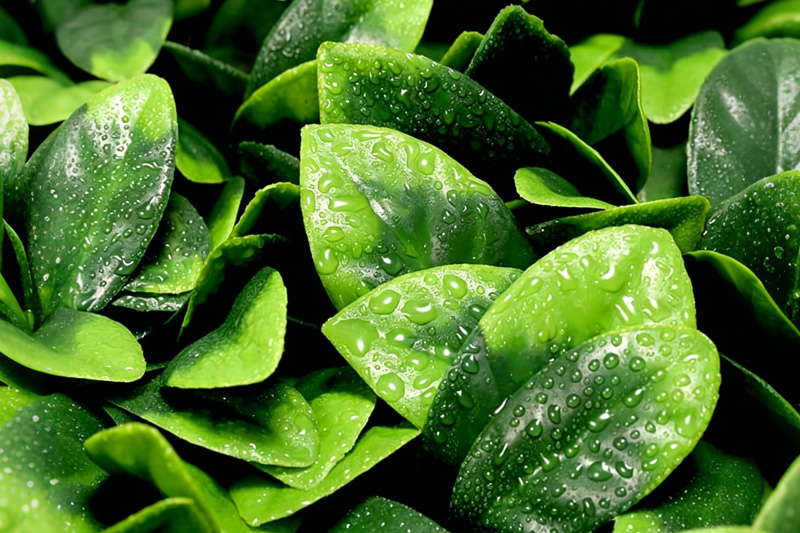
A newly upgraded Gardenia Leaf Artificial Grass Lawn has become a fast-selling landscaping product across Europe, North America, and Southeast Asia amid booming demand for low-maintenance green decoration.Crafted from premium UV-resistant PE raw material, the lawn combines fine simulated turf with layered gardenia foliage, featuring natural gradient green tones and clear leaf vein details to copy real garden plant growth status. Unlike ordinary artificial grass, its integrated gardenia leaf design works well for courtyard ground paving, balconygreening and vertical plant wall assembly; prefabricated modular panels support free cutting for irregular space installation.Without regular watering, trimming, or pesticide maintenance, the product resists sunlight fading and damp erosion for over five years outdoors. Industry suppliers report rising bulk orders from home improvement retailers, resort developers, and commercial space designers, boosted by global water-saving trends and growing preference for zero-maintenance garden decor.
2026/06/03
New Gardenia Leaf Artificial Grass Lawn Gains Global Popularity in Landscaping Market
A newly upgraded Gardenia Leaf Artificial Grass Lawn has become a fast-selling landscaping product across Europe, North America, and Southeast Asia amid booming demand for low-maintenance green decoration.Crafted from premium UV-resistant PE raw material, the lawn combines fine simulated turf with layered gardenia foliage, featuring natural gradient green tones and clear leaf vein details to copy real garden plant growth status. Unlike ordinary artificial grass, its integrated gardenia leaf design works well for courtyard ground paving, balconygreening and vertical plant wall assembly; prefabricated modular panels support free cutting for irregular space installation.Without regular watering, trimming, or pesticide maintenance, the product resists sunlight fading and damp erosion for over five years outdoors. Industry suppliers report rising bulk orders from home improvement retailers, resort developers, and commercial space designers, boosted by global water-saving trends and growing preference for zero-maintenance garden decor. -
 2026/06/03
Artificial Potted Plants Gain Popularity as Smart, Eco-Friendly Modern Decor
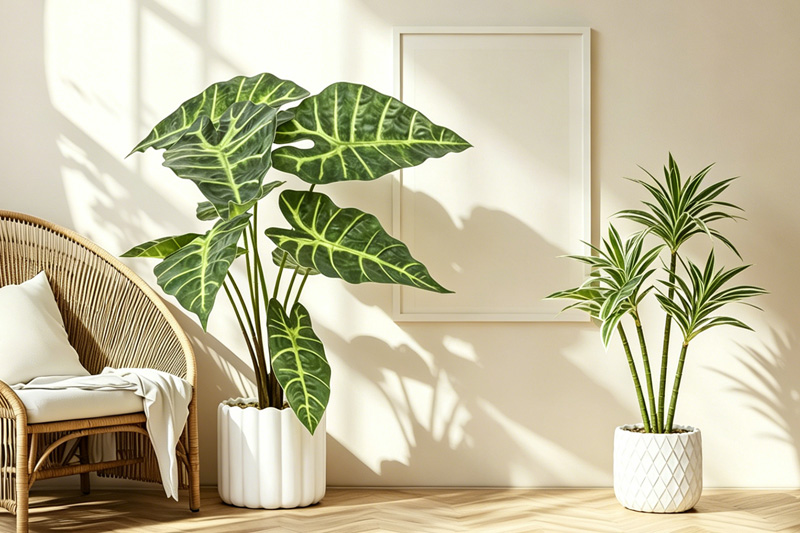
Artificial potted plants have become a rising star inglobal interior decoration, gradually replacing their outdated "cheap fake plant" stereotype and winning wide popularity among households and commercial spaces. Driven by eco-friendly material upgrades and smart design innovation, the industry maintains steady growth amid the booming demand for low-maintenance modern decor.Unlike live plants that require regular watering, lighting, and pruning, modern artificial potted plants feature zero maintenance, long durability, and all-season lush visuals. Adopting new degradable and low-carbon composite materials, today’s products perfectly restore real plants’ natural texture, colorgradient and soft touch, while complying with global environmental protection standards. Advanced 3D modeling and precision printing technologies also eliminate rigid, unnatural appearances, delivering refined and artistic decorative effects.A notable 2026 industry trend is the integration of smart functions. Many upgraded artificial potted plants are embedded with mini sensors and air purification components, serving as intelligent indoor ecological devices that monitor ambient temperature and humidity and improve indoor air quality. Meanwhile, favorable green building policies and diverse personalized designs further fuel market expansion.
2026/06/03
Artificial Potted Plants Gain Popularity as Smart, Eco-Friendly Modern Decor
Artificial potted plants have become a rising star inglobal interior decoration, gradually replacing their outdated "cheap fake plant" stereotype and winning wide popularity among households and commercial spaces. Driven by eco-friendly material upgrades and smart design innovation, the industry maintains steady growth amid the booming demand for low-maintenance modern decor.Unlike live plants that require regular watering, lighting, and pruning, modern artificial potted plants feature zero maintenance, long durability, and all-season lush visuals. Adopting new degradable and low-carbon composite materials, today’s products perfectly restore real plants’ natural texture, colorgradient and soft touch, while complying with global environmental protection standards. Advanced 3D modeling and precision printing technologies also eliminate rigid, unnatural appearances, delivering refined and artistic decorative effects.A notable 2026 industry trend is the integration of smart functions. Many upgraded artificial potted plants are embedded with mini sensors and air purification components, serving as intelligent indoor ecological devices that monitor ambient temperature and humidity and improve indoor air quality. Meanwhile, favorable green building policies and diverse personalized designs further fuel market expansion. -
 2026/06/03
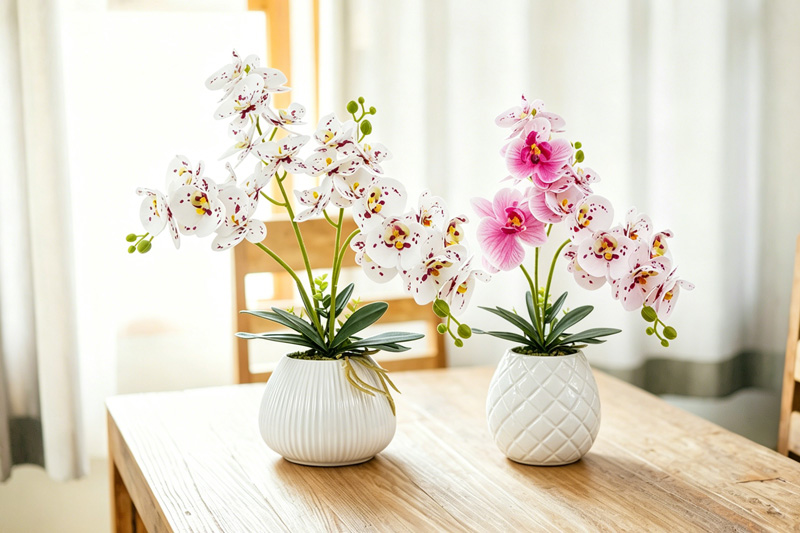
New Arrival of Artificial Butterfly Orchid
2026/06/03
New Arrival of Artificial Butterfly Orchid
New upgraded artificial butterfly orchid series has been newly launched. Made of premium real-touch PU material with 3D molded craft, the blooms perfectly copy natural petal texture and gloss, available in white, pink, purple, and yellow options.
Maintenance-free without watering or sunlight, pollen-free, and long-lasting. Widely applied for home decor, hotel layout, and wedding centerpieces. The lifelike design fuels rising overseas wholesale orders across Europe, Southeast Asia, and North America.
 Ready To Customise
Your Realistic Plants Products?

-
Telephone: +86-15957939205

-
Email: jenny@hansycraft.com

-
Add: No. 185 Xigang Street, Xiaoshun Town, Jindong District, Jinhua City, Zhejiang Province, P.R.China

-
whatsapp: 8615957939205
-
Website: artificialflowerfactory.net
