
 русский
 Español
 Português


News
News
Home / News
News
-
 2026/10/16
Artificial Plant Wholesale: What Buyers Check Before Ordering
2026/10/16
Artificial Plant Wholesale: What Buyers Check Before Ordering
Artificial plants behave differently from artificial flowers in the wholesale trade. A flower is bought for colour and season; a plant is bought for shape, height and how it holds a space over years. That shift changes what buyers need to check before ordering — and it explains why two suppliers quoting on the same item number can deliver very different results.
Buying by Form, Height and Foliage Density
Plant buyers rarely order by colour alone. What matters is the silhouette: an upright tree for a lobby, a spread of low foliage for a planter, a trailing form for a shelf edge. Height is specified because it determines where the item can be placed and how many pieces fit a carton. Foliage density determines whether the plant looks convincing from two metres away or only in a close-up product photo. Ask for the height in centimetres, the spread, and the number of leaves or fronds per piece, not just a catalogue picture.
Construction: Stem, Leaf and Pot
Well-made plants are assembled rather than moulded in one piece. Stems are wired so they can be shaped by the buyer or the end user; leaves are attached along the stem in a defined pattern rather than clustered at the top; the potting medium holds the stems at the correct angle and adds weight so a tall plant does not tip. Pot finish is a separate decision: ceramic, cement-look and woven pots lift the perceived value, while plastic pots suit volume retail. Most of our potted ranges allow the pot to be specified independently of the plant.
Categories Buyers Most Often Combine
Four groups account for most wholesale plant orders. Artificial trees supply height and structure for offices, hotels and entrances. Butterfly orchids are a high-turnover gift and décor category with strong margins. Succulents work as impulse or desk items and pack efficiently. Snake plants and general potted plants fill mid-price décor ranges. Buyers usually start with two or three of these groups rather than the full catalogue.
Colour Fastness and Indoor versus Outdoor Use
This is where plant orders most often go wrong. A leaf that looks correct in a showroom can fade or stiffen after a season on a terrace. Establish at the quotation stage whether an item is intended for indoor, covered outdoor or full-sun use, and choose the material accordingly. Moulded PE and PU constructions generally handle ultraviolet light and moisture far better than printed fabrics, which is why outdoor plantings and artificial grass lawn are produced from those materials.
Cartons, Volume and Freight Economics
Freight is calculated on volume, and plants are bulky. Two items at the same unit price can differ sharply in landed cost once carton size is taken into account. Before ordering, ask for pieces per carton, carton dimensions and gross weight, then compare your freight forwarder's rate against them. For tall trees, suppliers often reduce the shipping volume by splitting the trunk and requiring simple assembly at the destination — a trade-off worth evaluating per item. Volume planning is described in more detail on our bulk fake plants buying guide.
Sample Approval and Repeat Order Consistency
Plants are approved on shape and colour, and both are easy to lose between production runs. Approve a physical sample, keep one unit with the supplier as the reference standard, and record the item number, height and pot specification in writing. When an order is repeated months later, that record is what keeps the delivered goods matching the original. Suppliers who store approved samples for their regular buyers remove most of the risk from repeat ordering.
Order Quantities and Mixed Containers
Plant ranges are usually bought across many item numbers, which pushes buyers toward mixed containers instead of full loads of one design. Confirm the MOQ per design and per colour, then ask whether several designs can be combined in one container. On a first order, mixing reduces the risk of committing to a single design that may not sell. Our wholesale FAQ sets out typical quantities and lead times.
Supplier Checks Before You Commit
Ask whether the supplier manufactures in-house, what equipment they run, and whether they accept third-party inspection before shipment. For plant ranges, it is also worth asking how they store finished goods — dust, light and humidity during storage can affect appearance, so packing and warehouse practice matter as much as production. Our factory page details the machinery, workforce and production chain behind our own output.
Next Steps
Send your plant requirements — category, height, pot finish, quantity and destination port — to our export team, and we will reply with a quotation, carton data and lead time. If you are building a new range, ask for a mixed first order so you can test several designs in one shipment.
-
 2026/10/09
Artificial Flowers Wholesale: Materials, Styles, and Product Options
2026/10/09
Artificial Flowers Wholesale: Materials, Styles, and Product Options
Two artificial flower items can sit next to each other on a shelf, look almost identical in a photograph, and still sell for very different prices. The difference is almost always material and construction. Understanding what each material does helps wholesale buyers choose products that match a market, a price band and a use case — instead of ordering on appearance alone.
Why Material Choice Drives Resale Value
Material affects four things a buyer is judged on: how realistic the item looks up close, how well it survives handling and storage, how long the colour lasts, and how much the item costs to freight. A heavier, better-shaped flower may justify a premium in a hotel project; a lighter, simpler stem may be the right choice for a high-volume supermarket display. Neither is “better” — the question is whether the material matches the channel it will be sold into.
Fabric Flowers: Polyester and Silk-Like Materials
Fabric petals are made from polyester, sometimes described as silk-like because of the soft drape and subtle sheen. Printing or dyeing gives fine gradients and veining that read well in daylight, which is why fabric is the usual choice for spray flowers, roses, peonies and mixed bouquets. Fabric items are light, pack compactly and take colour across a wide palette. They are typically kept indoors or in covered areas, since prolonged direct sun will gradually soften the colour.
PE and PU: Structure and Outdoor Durability
PE (polyethylene) and PU (polyurethane) are firmer, moulded materials. Petals and leaves keep a defined shape, resist crushing in transit, and hold up far better in ultraviolet light, which makes them the standard choice for outdoor planters, balconies and entrance arrangements. PE is also the material behind most artificial grass lawn and boxwood panels. Because the form is moulded rather than cut and printed, colour options are usually broader in flat tones than in fine gradients. A direct comparison is set out in our guide to silk versus PE artificial flowers.
Plastic, Foam and Composite Components
Very few artificial plants are made from a single material. Stems are normally plastic-wrapped wire so they can be bent and shaped; berries and buds may be moulded plastic; potting soil is usually foam or a moulded composite that holds the arrangement in place and adds realistic weight. When you assess an item, check the whole construction rather than the flower head alone — a well-made stem and a properly stabilised pot are what make an arrangement look convincing from a distance.
Formats: Spray, Bush and Hanging
Format determines how a buyer merchandises the product. Sprays are single stems with multiple flower heads, used for arrangement and vase filling. Bushes combine several stems on one base for a fuller, ready-made look, often sold as a unit for planters and borders. Hanging plants trail downward and are used for balconies, pergolas and ceilings. Each format carries a different MOQ logic, because the number of pieces per carton varies widely.
Potted Flowers, Plants and Trees
Potted items arrive ready to display, which raises both the unit value and the freight cost. Potted flowers and potted plants suit gift and home décor ranges; butterfly orchids and succulents are strong impulse categories; artificial trees are usually sold to offices, hotels and landscaping projects where height and pot finish are specified. Pot material — ceramic, cement-look, woven or plastic — is often customisable and changes the price more than the plant itself.
Seasonal Items and Grass Lawn
Seasonal demand concentrates into short windows, so lead time matters more than unit cost. Christmas trees and seasonal garlands need to be produced and loaded months ahead of the selling season, and buyers usually reserve capacity early. Artificial grass lawn behaves like a building material rather than a décor item: buyers specify pile height, density and backing, and order volume is driven by project area rather than piece count.
Matching Products to Sales Channels
As a working rule: fabric flowers for indoor retail and hospitality; PE and PU for outdoor and contract use; potted items for gift and home channels; sprays and bushes for volume floral display; grass lawn and trees for project supply. Buyers who plan a range around these pairings generally avoid the two most expensive mistakes in this trade — importing an item that fades outdoors, and paying for outdoor durability in a product that never leaves a shelf.
Next Steps
If you tell us the channel you sell into and the price band you are targeting, we can recommend a material and format mix rather than a flat list of items. Send your requirements to our export team, or review the full product range and shortlist the categories you would like quoted.
-
 2026/10/02
Artificial Flowers Wholesale: What Buyers Check Before Ordering
2026/10/02
Artificial Flowers Wholesale: What Buyers Check Before Ordering
Ordering artificial flowers wholesale is a long-term decision rather than a one-off purchase. The designs you approve this season usually stay in your catalogue for several years, so the checks you make before the first order decide how smoothly every repeat order will run. This guide covers the questions professional importers ask before they commit to a supplier.
Start With the Product Range, Not the Price
The first thing to review is whether a supplier actually manufactures the range you sell. A narrow catalogue forces you to split one order across several vendors, which raises freight cost and makes colour consistency harder to control. Look for a supplier that covers the categories you need under one roof — for example spray artificial flowers, bush flowers, butterfly orchids, potted plants, artificial trees, grass lawn and Christmas items. A broad range also means you can mix designs in a single container, which matters most on a first trial order.
Material and Finish
Two artificial flowers can look identical in a photo and behave very differently in a shop. Polyester and silk-like fabrics give a soft, natural petal with fine veining; PE and PU are firmer, hold their shape better outdoors and resist fading; plastic and foam components are typically used for stems, berries and soil. Ask which material each item uses, whether the colour is printed or dyed through, and how the item is finished at the edges. Our comparison of silk and PE artificial flowers explains how the choice affects retail positioning and price.
Colour Accuracy and Sample Approval
Colour is the most common source of dispute in artificial flower trade. Screens vary, and a red that looks warm on your monitor can arrive cool in daylight. Before a bulk order, request physical samples, view them under both daylight and shop lighting, and approve the exact item number in writing. Keep a signed sample on file with the supplier — that reference is what protects you on repeat orders eighteen months later. If a design is customised, confirm the approved colour swatch is recorded in the production file.
Packaging That Matches Your Sales Channel
Wholesale buyers rarely sell in the same way. A chain store needs shelf-ready cartons with a barcode and product label; an e-commerce seller needs mail-order boxes that survive the last mile without crushing petals; a garden centre may want items displayed in trays. Tell the supplier your channel before they quote, because packaging changes both the unit cost and the carton dimensions, and carton dimensions drive your freight calculation. Confirm the master carton size, pieces per carton and net/gross weight per item.
MOQ, Lead Time and Payment Terms
These three numbers decide whether an order is workable. Ask for the MOQ per design and per colour, and whether different designs can be combined to reach it. Ask for lead time broken into two figures: production time and shipping time. Ask which payment terms apply and whether a first order can be secured with a deposit. A supplier that answers these plainly is usually a supplier that can plan production properly. Typical terms for artificial flowers are covered in our wholesale FAQ.
Supplier Checks: Factory, Capacity and Inspection
Photos of a showroom do not prove production capability. Ask whether the supplier owns the factory or trades through a middleman, what equipment and workforce they run, and whether they accept third-party inspection such as SGS, Bureau Veritas or TUV before shipment. If you cannot visit in person, request a live video walk-through of the production line and the loading area. Our factory page shows the machinery and capacity behind our own production.
What to Send in Your First Inquiry
A well-prepared inquiry usually gets a usable quotation within a day. Include the item numbers or reference images you are interested in, the estimated quantity per item, your target market, your preferred packaging level, and the destination port. If you are still exploring, send your company profile and website instead — a supplier can then propose a range and a rough budget rather than waiting for a full specification.
Next Steps
Once these checks are complete, the ordering process becomes routine: approve samples, place the order, follow production photos, confirm inspection and book shipment. If you would like to test the process with a mixed trial order, contact our export team with your item list and destination port and we will reply with a quotation and lead time.
-
 2026/09/25
Artificial Flowers From China and Custom Designs
2026/09/25
Artificial Flowers From China and Custom Designs
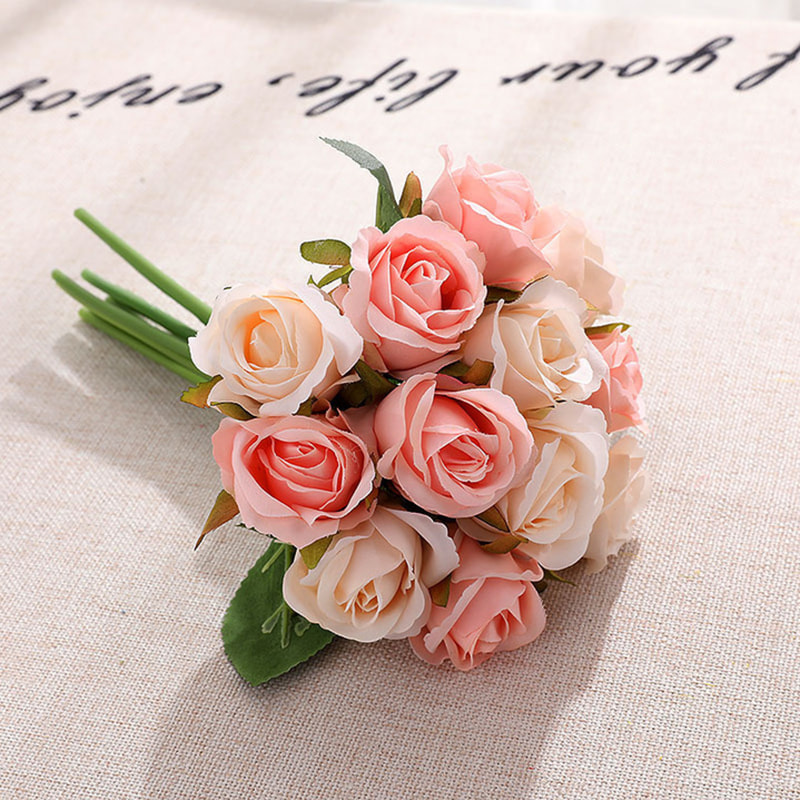
Most artificial flowers sold internationally are standard designs held in stock catalogues. Custom work sits alongside that business rather than replacing it: buyers who need a specific colour, height, pot or theme order from a factory that can develop the item and then keep producing it consistently. This guide explains how custom design projects actually run from the buyer's side, and what to prepare before starting.
What Can Be Customised
Customisation falls into four levels, and it helps to know which one your project needs before approaching a supplier.
1. Colour and finish changes
The simplest and fastest option: an existing item is produced in a new colourway or with a different surface finish. No new mould is required, so the development cost is low and lead time is close to a standard order.
2. Size and proportion changes
An existing design is scaled or restructured — a taller stem, a denser bush, a shorter spray for a specific vase. This usually means re-cutting components or adjusting the assembly rather than building new tooling.
3. Combination and packaging customisation
Individual designs are assembled into a mixed arrangement, or the item is packed in a branded box, tray or display unit. Common for retail chains and e-commerce sellers who need shelf-ready presentation.
4. New moulds and original designs
A genuinely new flower or leaf requires mould development. This is the highest-commitment route, normally justified when the buyer plans a large or multi-season volume.
Why Buyers Choose a Factory Rather Than a Trading Company
Custom work depends on three things: sample-making speed, control over the components, and the ability to repeat the result later. A factory that moulds its own parts can adjust a sample without waiting on an outside supplier, and can document the specification so the tenth order matches the first. A trading company can often quote faster, but has less room to change a design and less control when a detail needs to be corrected. Our factory page describes the production chain we keep in-house, from design and mould making through to flower setting, inspection and export packing.
How the Sample Process Works
A custom project normally follows five steps. First, the buyer sends a brief: reference images, the intended market, target price and quantity. Second, the supplier confirms which items are feasible and quotes a sample cost and timeline. Third, a physical sample is produced and shipped. Fourth, the buyer reviews colour, height and construction in daylight and requests adjustments if needed. Fifth, the approved sample is signed off and kept on file as the production standard. Allowing for one round of revision is realistic; expecting a perfect first sample is not.
What to Prepare Before You Ask for a Quote
The quality of the brief determines the speed of the answer. Prepare the following and the first reply will usually contain a workable quotation.
Reference material
Photographs, physical samples you already own, or existing item numbers from another catalogue. Include colour references where possible, not just a description.
Commercial parameters
Estimated quantity for the first order and the expected annual volume, target selling price, and the destination market. These decide whether mould development is economic.
Technical requirements
Height and spread, material preference, pot type and size, packaging format, and any labelling or barcode requirement. If the item must comply with a specific market regulation, say so at the beginning rather than at inspection.
MOQ, Tooling and Lead Time on Custom Items
Custom work carries different economics from standard catalogue orders. Colour and size changes normally run at standard MOQ levels, because no new tooling is involved. New moulds require a minimum volume to justify the development cost, and that volume is agreed case by case. Lead time is longer on a first custom order because sample approval sits in front of production; once the sample is approved, repeat orders run on normal production timelines. We set out typical quantities and timelines in our wholesale FAQ.
Protecting Consistency on Repeat Orders
The value of a custom design is that it can be reordered. Protect that by recording the approved specification in writing — item reference, colour code, height, material, pot and packaging — and by asking the supplier to retain the approved sample. Before each repeat order, request current production photos against the approved sample. This costs nothing and prevents the slow drift in colour and proportion that otherwise appears across seasons.
Custom Projects and Quality Verification
Because custom items cannot be compared against an existing catalogue entry, inspection matters more, not less. Confirm that the supplier accepts third-party inspection such as SGS, Bureau Veritas or TUV before shipment, and that inspection will be carried out against the approved sample rather than a general standard. Our export team can arrange inspection documentation and test reports for regulated markets on request.
Next Steps
If you have a design brief or a reference sample, send it to us with your target quantity, market and price band. We will confirm feasibility, quote sample cost and timeline, and start development once the brief is agreed. Standard and custom items can be combined in one container, so a first custom order does not have to stand alone.
-
2026/09/24
Artificial Flowers for Hotels: A Sourcing Guide for Hospitality Buyers
Hotels, resorts and restaurant groups are among the largest buyers of artificial plants, and for good reason. A lobby arrangement that survives a full season without watering, deadheading or replacement is a budget line that behaves predictably. But hospitality sourcing has its own rules, and a programme that works for a garden centre will not automatically work for a hotel group. This guide covers what hospitality buyers should specify before placing a bulk order.
Why Hotels Buy Artificial Instead of Fresh
Fresh flowers bring a maintenance cost that scales with the number of properties. A single hotel may need weekly replacement in the lobby, restaurant, spa and meeting floors, plus the labour to condition and dispose of them. Artificial arrangements remove that recurring cost and, crucially, guarantee that every property shows the same look on the same day. For multi-site groups, consistency across locations is often the deciding factor rather than price.
Match the Product to the Space
Not every artificial item suits every location. A high-traffic lobby needs arrangements that hold shape under constant handling and cleaning, which usually means firmer PE or PU components rather than soft fabric petals. A restaurant or bar can use finer silk-style flowers because they sit above reach. Guest rooms work best with compact potted flowers sized for a shelf or desk, while corridors and entrances call for artificial trees and tall sprays that read well from a distance.
Outdoor and Poolside Areas
Terraces, pool decks and entrance planters are exposed to sun and humidity, so specify fade-resistant materials and confirm UV performance with the supplier. Artificial grass lawn and succulents are common outdoor choices because they resist both light and moisture. Ask how the colour performs after a season in direct sun, and request a material sample to test on site before committing to a large quantity.
Cleaning, Handling and Storage
Hospitality teams need products that can be maintained by housekeeping rather than a specialist. Ask how the arrangement is cleaned — most artificial plants tolerate a soft brush or a low-pressure air blower, and some can be rinsed — and whether individual stems can be replaced if one is damaged. For seasonal displays, confirm that the arrangement can be dismantled and stored flat without permanently bending the stems. Reusability across several seasons is what turns a purchase into a saving.
Fire and Safety Requirements
Public buildings often have fire-safety requirements that apply to decorative materials, so raise this early. Tell the supplier the destination market and the requirement, and ask whether flame-retardant materials and supporting test documentation can be provided for the specified items. This is a specification decision, not an afterthought, because it can change the material used and add time to production.
Consistency Across Multiple Properties
The most valuable thing a supplier can offer a hotel group is repeatability. Specify the exact item, colour, height and pot, and ask the supplier to hold an approved sample and a written specification on file. That record is what allows a second property to be furnished six months later with the same look. Our company updates and factory page explain how we control this in production.
Packaging for Delivery to Site
Hospitality orders frequently ship to a distribution centre and then to individual properties, so packaging has to survive handling twice. Ask for cartons that protect petals and pot rims in transit, and where items are shipped to multiple addresses, confirm labelling and packing lists that match the destination list. Confirm master carton dimensions and unit weights so the receiving site can plan storage.
Planning the Order
Start with a trial order covering the main space types, live with it for a season, then roll the approved items out across properties. Send us the spaces you are furnishing, the market you operate in, and your target budget per arrangement, and our export team will propose a product range with a mixed-container loading plan. Contact our export team to begin a hospitality sourcing programme.
-
2026/09/24
Wedding Artificial Flowers Wholesale: What Event Suppliers Need to Know
Weddings are the most predictable peak in the floral calendar and one of the hardest to supply well. Demand is concentrated into a few months, colour decisions are made by a couple rather than a buyer, and a late delivery cannot be rescheduled. For event suppliers, rental companies and wedding decorators, that combination makes artificial flowers attractive — but only if the order is planned correctly.
Why Artificial Works for Weddings
Fresh flowers for a wedding must be conditioned, assembled and delivered within a narrow window, and anything that wilts in the ceremony heat cannot be recovered. Artificial arrangements are made in advance, inspected calmly, and delivered ready to install. They also allow a couple to approve the exact look weeks before the date and receive precisely that item, which removes the sample-versus-delivery risk that fresh flowers always carry.
The Categories Wedding Buyers Order Most
Wedding programmes usually combine several categories: spray artificial flowers for arch and aisle work, bush flowers for dense arrangements and centrepieces, hanging plants for ceiling and gazebo installations, and orchids for premium table work. Roses, peonies, hydrangea, eucalyptus and gypsophila are the species that recur most in briefs, so a supplier with these in several colourways can cover most of a season.
Colour Matching Is the Whole Job
Weddings are usually organised around a two or three colour palette, and a shade that is slightly off will be visible in every photograph. Confirm colour against physical samples rather than screens, and where a palette must match fabric, ask for a sample of the flower alongside the fabric swatch under the same light. For custom work, agree the exact shade in writing and keep a signed sample on file, so that a repeat order for the same client the following season is identical.
Volume, MOQ and Mixed Orders
Wedding work is fragmented: a single event may need small quantities of several designs. This is where MOQ becomes the practical issue. Ask the supplier for the MOQ per design and per colour, and whether different designs can be combined toward it. A mixed container lets an event supplier stock a broad palette of colours and species without holding a deep quantity of any single item, which suits a business that must answer briefs on short notice.
Lead Time and Season Planning
Wedding demand clusters around spring and summer in most markets, and late summer to autumn in others. Because production of artificial flowers is not seasonal but shipping is, the safe approach is to build stock in the quiet months. Place the season's order two to three months before demand peaks, allowing for production, inspection and sea freight. Suppliers who can schedule production flexibly are worth more than a slightly lower unit price when a season is approaching.
Packaging, Storage and Reuse
Event suppliers reuse stock, so packaging and storage matter as much as the item. Ask for cartons that keep sprays straight and protect petals, and confirm that arrangements can be stored flat. Because artificial flowers do not perish, a set of arrangements bought for one season becomes inventory for the next — a significant commercial advantage for rental businesses. Specify items that disassemble and re-form easily, and order spares of the most fragile components.
What to Send in an Inquiry
Include the species and colour palette you need, the approximate quantity per design, the number of events you are likely to cover, your market and your delivery window. If a brief is still forming, send reference images instead — a supplier can propose a matched range and a loading plan from images alone. Our wholesale FAQ covers MOQ, sampling and lead time in more detail.
Build Your Wedding Range
Wedding work rewards a supplier who can answer a brief quickly with the right colours in stock rather than a catalogue of near misses. Tell us the palettes and species you sell most, and our export team will build a mixed range with a loading plan sized to your season. Contact our export team to start planning, or browse the product catalogue for the current range.
-
2026/09/24
How to Import Artificial Flowers from China: A Step-by-Step Guide
Importing artificial flowers from China is a well-established route for wholesalers, chain stores and e-commerce sellers, but it rewards preparation. The buyers who run into trouble are rarely the ones who chose the wrong factory — they are the ones who left a specification, a test requirement or a carton dimension to chance. This guide walks through the practical sequence, from first inquiry to goods arriving at your port.
Step 1: Define the Specification Before You Shop
Before contacting suppliers, write down what you are actually buying. Artificial flowers vary enormously in material, and material drives both price and durability. Decide whether you need soft silk-style petals for retail display, firmer PE or PU components for outdoor and high-traffic use, or plastic and foam for stems, berries and soil. Add the height, colour family, pot type and packaging level you require. A supplier can only quote accurately against a specification, and a vague inquiry returns a vague price.
Step 2: Shortlist Manufacturers, Not Traders
China's artificial plant industry is clustered in a few provinces, with Zhejiang and Guangdong among the main bases. The important distinction is whether you are dealing with a factory that produces its own components or a trading company that sub-contracts. Ask directly, and ask follow-up questions — what equipment they run, whether they own the moulds, how many workers are on the setting line. A factory page with real equipment detail and a willingness to host a video walkthrough is a stronger signal than a glossy catalogue.
Step 3: Sample Before You Commit
Screens misrepresent colour and photographs hide finish. Request physical samples of your shortlisted items, view them in daylight and under the lighting of your sales channel, and compare them against a competitor's product or your current best-seller. For custom designs, expect a sampling time of roughly five to ten days depending on complexity. Approve the sample in writing and ask the supplier to keep a signed golden sample on file — that reference is what protects you on repeat orders.
Step 4: Agree Incoterms, Price and Payment
Confirm whether the quotation is EXW, FOB or CIF, because they place different costs on each side. FOB is the most common starting point for importers, as it includes inland transport and export clearance to the port of loading. Agree the payment structure at the same time as the price — first orders are commonly secured with a deposit against a balance before shipment — and confirm the currency and the exchange-rate basis if the quote is in RMB.
Step 5: Confirm Packaging and Carton Data
This step is where freight budgets are won or lost. Before production, obtain the master carton dimensions, the number of pieces per carton, and the net and gross weight per item. Artificial plants are bulky rather than heavy, so carton volume usually determines how many units fit a container and therefore your freight cost per unit. If your channel needs shelf-ready or mail-order packaging, specify it now, because it changes both the unit cost and the carton size.
Step 6: Quality Control and Inspection
Agree the inspection method in advance. A standard three-stage process covers incoming material checks, on-line inspection during assembly, and a final random inspection before packing against the approved sample. For higher-value or compliance-sensitive orders, arrange a third-party inspection from an agency such as SGS, Bureau Veritas or TUV before shipment. Ask for production photos during the run so you can monitor progress without travelling.
Step 7: Shipping, Documents and Clearance
Goods ship by sea for volume, or by air and express for samples and urgent top-ups. Your freight forwarder will need the commercial invoice, packing list, bill of lading and, depending on the market, a certificate of origin and any compliance documentation. Correct tariff classification matters — see our guide to HS codes and customs clearance for the codes that apply to artificial flowers and foliage.
Step 8: Receive, Inspect and Reorder
Inspect the shipment against the approved sample soon after arrival, and keep one unit from each order as your own reference. Any issue is fastest to resolve with photographs, the item number, the quantity affected and the shipping mark. Once a programme is running, repeat orders become routine, and the approved sample and written specification are what keep colour and quality stable season after season.
Start Your First Order
The sequence above is repeatable, and a first trial order — a mixed container of several designs — is the cheapest way to test a supplier and a market at once. Tell us your shortlist, target market and destination port, and our export team will quote with carton data, sampling times and a loading plan. Contact our export team to begin, or read the wholesale FAQ for answers to the most common first-order questions.
-
2026/09/24
Artificial Flower HS Codes and Customs Clearance Explained
Tariff classification is one of the least glamorous parts of importing artificial plants and one of the most consequential. The code you declare determines the duty rate you pay, whether a trade agreement applies, and whether your entry clears without delay. This article explains how artificial flowers are classified, what documentation a typical entry needs, and the mistakes that most often cause a hold-up at customs.
The Main HS Heading for Artificial Flowers
Artificial flowers, foliage and fruit — together with articles made from them, such as wreaths and arrangements — sit under heading 6702 of the Harmonized System. The heading covers goods that imitate natural flowers or foliage and are made of materials such as plastics, textiles or paper. Fresh cut flowers and flower buds for bouquets belong to a different heading, 0603, which is why an artificial product must never be declared under a fresh-flower code.
Subheadings: Plastics or Other Materials
Within 6702 the first split is by material. The 6702.10 subheading covers articles of plastics, while 6702.90 covers articles of other materials — the category that typically applies to polyester and other textile-based artificial flowers and foliage. Because a single item can combine plastic stems, fabric petals and a ceramic pot, classification normally follows the material that gives the product its essential character. That judgement is why material composition should be documented by the supplier rather than guessed by the importer.
Why the Material Split Matters
Duty rates are set by the importing country and can differ between subheadings, and some national tariff schedules and trade agreements treat them differently. Getting the split right is therefore not a formality: it decides what you pay and whether a preferential rate under a free trade agreement is available. If you are importing at volume, ask your customs broker to confirm the correct code for your specific product before the first shipment, not after.
Composition Documents From the Supplier
To classify accurately, you need to know what the product is made of and in what proportion. Ask the supplier for a material breakdown per item covering the flower head, stem, foliage and pot. A supplier who produces its own moulded components can state this precisely, which is one practical advantage of buying from a source factory. Keep the breakdown on file — it also supports any compliance testing your market requires.
The Documents a Typical Entry Needs
A standard sea-freight entry usually requires a commercial invoice, a packing list, the bill of lading, and — depending on the destination — a certificate of origin and any product compliance documentation. The invoice should describe the goods in terms that match the declared code, listing item references, quantities, unit values and the Incoterm. Descriptions such as "gift items" or "decorative goods" invite questions; a clear description of artificial flowers or artificial foliage does not.
Common Causes of Delays
Most clearance problems trace back to three things: a description on the invoice that does not match the declared code, missing or inconsistent carton and weight data between the packing list and the actual load, and a valuation that does not reconcile with the payment terms. A fourth cause is a compliance requirement — a labelling rule or a material restriction — that was discovered after production rather than at the inquiry stage. All four are avoidable with preparation.
Plan Compliance at the Inquiry Stage
Tell the supplier your destination market when you request a quotation, not when you book freight. Compliance requirements differ between regions, and some tests add time to the production schedule. Our guide to importing artificial flowers from China sets out the full sequence, and our quality assurance page explains the inspection and documentation we can provide.
Practical Checklist
Before your first shipment, confirm four things in writing: the correct HS code for your product's material composition, the duty treatment that applies in your market, the full document set your broker requires, and any market-specific compliance or labelling rule. With those settled, clearance becomes routine and the cost of the goods is predictable before they leave China.
Need Composition Details for Classification?
We can supply a material breakdown for any item in the range, together with packing lists and carton data to support your entry. Send us the item numbers you are importing and your destination market, and our export team will prepare the documentation your broker needs. Contact our export team to request composition details, or browse the product catalogue first.
-
2026/09/24
Artificial Butterfly Orchid Wholesale: Pot Options, Sizes and MOQ
Orchids occupy a different position in the artificial plant market from most other flowers. A spray of artificial roses competes on volume and price; an artificial orchid is bought as a display piece and judged on realism, proportion and the pot it sits in. That makes the category more profitable for retailers and more demanding for importers. This guide covers what distinguishes a good orchid programme and what to specify when ordering.
Why Artificial Orchids Sell at a Premium
A live phalaenopsis lasts a few weeks and then needs careful care to flower again, which is why hotels, offices and home decorators increasingly buy the artificial version. Because the product replaces a premium living plant rather than a cheap bouquet, buyers accept a higher retail price — provided the item looks convincing. The perceived value sits in the flower's structure and the pot, so those are exactly the two things to specify carefully.
Flower Structure: Single Stem, Spray and 3D
Orchid construction varies more than in most categories. Single-stem items suit desk and shelf display, multi-stem sprays give volume for sideboards and reception areas, and 3D or "real touch" constructions use layered, slightly curved petals with visible veining to imitate the thickness of a real orchid. Our butterfly orchid range covers these constructions across several heights, and the difference between them is immediately visible when the items sit side by side.
The Pot Is Half the Product
In artificial orchids the pot carries a disproportionate share of the perceived value, and it is also the easiest variable to change without new tooling. Common options include ceramic in white, black, gold and marble-effect finishes, cement pots for a heavier contemporary look, and glass vessels for a lighter one. Because the flower specification can stay identical while the pot changes, offering several pot options lets a retailer cover multiple price points from one flower design — an efficient way to widen a range.
Heights, Flower Counts and Arrangement
Specify height and flower count as separate variables. A 20 cm single-flower item and a 75 cm multi-flower arrangement serve completely different spaces even though both are orchids, and flower count is the clearest driver of both cost and visual weight. For retail, a spread of heights that share a common style allows a coordinated display without duplicate designs competing on the shelf.
MOQ, Mixed Orders and Sampling
Orchid MOQ is usually quoted per design and per colourway. Because a retailer rarely wants a deep quantity of one orchid, mixed orders matter more in this category than in most: ask whether different pot finishes and heights can be combined toward the minimum. For custom pot finishes or a specific colourway, allow roughly five to ten days for sampling once the specification is approved, and keep a signed sample on file for repeat orders.
Packaging for a Fragile Item
Orchid petals and stems are more fragile than bush or spray flowers, and a crushed petal reads as a defect on a premium item. Ask for packaging that separates flower heads and supports the stem, and confirm how many pieces fit a carton — the carton dimensions drive freight cost, which matters more here because the item value is higher and margins are expected to hold. If your channel is e-commerce, specify mail-order protection rather than open display packaging.
Display and Merchandising Support
Because orchid buyers make decisions on appearance, merchandising support has real value. Ask whether the supplier can provide consistent photography across the range, and whether colours can be grouped into a coordinated palette so a retail display looks intentional rather than assembled. Our notes on potted plant trends explain how this category is positioned in modern interiors.
Build Your Orchid Range
Tell us the price points you sell at, the pot finishes you prefer and the heights your space allows, and our export team will assemble a mixed orchid range with a loading plan and sampling schedule. Contact our export team to request the current orchid catalogue, or browse the full product range to build a broader order.
-
2026/09/24
Artificial Christmas Tree Supplier: PE, PVC and Flocked Trees
Christmas is the most time-critical category in the artificial plant calendar. The selling window is short, the goods are bulky, and a late container is worthless once December passes. Buyers who plan the tree programme properly are working on it in spring, not autumn. This guide explains the main tree constructions, the specifications that drive cost, and how to plan freight for a category where volume, not weight, sets the limit.
The Main Tree Constructions
Artificial Christmas trees fall into three broad types. PVC trees use flat needle strips cut and attached to wire branches; they are the most economical and give a full, traditional look. PE trees use moulded polyethylene branch tips that imitate real needles with a three-dimensional shape, giving the most realistic appearance and a higher price point. Mixed PE and PVC trees combine moulded PE tips on the outer layers with PVC filler inside, which is the construction most commercial buyers settle on because it balances realism against cost.
Flocked, Snowy and Pencil Varieties
Beyond the base construction, surface treatments widen the range considerably. Flocked trees carry a white coating that imitates snow on the branches; snowy or frosted finishes apply a lighter effect; pencil trees use a narrow profile for tight spaces; and pre-lit versions integrate string lights. Each treatment changes the material cost and the packing volume, and they sell into different retail segments — a garden centre may want the classic mixed tree, while a home decorator brand may want flocked and pencil models.
Specifications That Drive Price
Four numbers decide the cost of a tree: height, tip count, branch construction and base type. Tip count is the clearest indicator of fullness, and two trees of the same height can differ substantially in appearance and price depending on it. Base type — metal stand, folding metal base or plastic stand — affects stability and packed volume. Ask for all four figures for every item you quote, because the item name alone rarely tells you what you are buying.
Hinged and Automatic Assembly
How a tree assembles is a practical selling point, not a detail. Hinged trees have branches that fold out from the trunk and drop into position, which makes them faster to set up. Automatic trees go further, with branches that open as the sections are joined. For commercial buyers, assembly time is a customer-service issue — a tree that takes an hour to shape generates returns and complaints — so it is worth specifying and testing.
Carton Volume and Container Planning
Trees are light for their size, which means a container fills by volume long before it reaches its weight limit. The figures that matter are the master carton dimensions and the number of cartons per container, and they determine your landed cost per unit more than the FOB price does. Ask the supplier for a loading plan at the quotation stage, and check how cartons nest — a small reduction in packed volume across a full container is worth more than a small discount on the unit price.
Order Timing and Season Planning
Christmas production competes with every other category from late summer, and shipping adds weeks on top. Working backwards from your retail window, the safe plan is to confirm designs and place the order in spring or early summer, allow for production and inspection, and ship in time for goods to clear and distribute before the season. Buyers who wait until autumn are competing for production slots and paying for air freight or accepting late delivery.
Combine Trees With the Rest of the Range
A Christmas programme rarely stops at trees. Retailers usually want complementary decorative items in the same shipment, and combining them into one container lowers freight cost per unit. Our range includes Christmas trees in PE, PVC, flocked and pencil constructions, alongside the sprays and bush flowers that decorate them and the grass lawn and artificial tree items that carry a store through the rest of the year.
Plan Your Christmas Programme
Send us the heights, constructions and retail price points you need, together with your market and target delivery window, and our export team will propose a tree range with tip counts, carton data and a container loading plan. Started early, the programme is straightforward; started late, it is a scramble. Contact our export team to begin planning, or browse the product catalogue for the current range.
-
2026/09/24
Artificial Grass Lawn Wholesale: Gardenia Leaf Turf and Panels
Artificial grass lawn has quietly become one of the most versatile categories in the artificial plant range. What began as a garden substitute is now specified for interior floors, event staging, retail displays, balconies and landscape projects alike. For importers, that breadth is an opportunity — but it also means the same item is judged against very different expectations depending on where it is installed.
Gardenia Leaf: Why This Construction Is Popular
The gardenia-leaf construction uses densely packed, slightly curled leaves that hold their shape without support, which makes it look established the moment it is laid. Unlike flat turf carpet, it has visible depth and a natural, uneven surface, so it reads well both indoors and outdoors. It also resists fading and holds its form under foot traffic, which is why it has become the default choice for buyers who need one product to serve several installation types.
Indoor, Outdoor and Landscape Applications
Indoor use includes shop and showroom floors, event and exhibition stands, hotel entrances, balconies and photo backdrops. Outdoor use covers garden borders, terrace edges, pool surrounds, roof terraces and commercial landscaping. The material is the same in both cases, but the requirement differs: outdoor installations demand proven UV and fade resistance, while indoor buyers care more about colour consistency and how the surface photographs. Specify the intended use at the inquiry stage so the right material is quoted.
Panels and Tiles Expand the Category
Beyond single sheets, grass is increasingly supplied as interlocking panels and tiles, and as vertical mats for wall and fence coverage. Panels are popular with event suppliers because they can be assembled quickly into a temporary floor or wall and packed away afterwards, and with landscape contractors because a modular surface is easier to install over an irregular area. If your market includes events or interior fit-outs, ask which formats are available in the construction you have chosen.
Specifications That Matter
When quoting grass, confirm four things: the construction and leaf type, the pile height, the backing material and the sheet or tile dimensions. Pile height drives both appearance and cost, and the backing determines whether the item can be cut to size without shedding. For panels, confirm the interlocking method and whether edges are trimmed for joining. Ask for the packed dimensions and unit weight as well, because grass rolls are bulky and freight is calculated on volume.
Durability and Fade Resistance
Fade resistance is the property that decides whether a customer reorders. Ask how the colour performs after a season of direct sun, and request a material sample to test on site if your market includes permanent outdoor installation. Because the gardenia-leaf construction uses denser material than flat turf carpet, it generally holds colour and shape better over time — but the end use should still be confirmed, since an indoor item used outdoors will disappoint.
Combining Grass With the Rest of the Range
Grass rarely ships alone. Landscapers and event suppliers typically order it with artificial trees, succulents and bush flowers to complete a scheme, and a mixed container from one supplier keeps freight cost down. Our industry news section covers how these categories are used together in commercial projects.
Freight: Plan for Volume
Grass is a volume product. A container of rolled lawn will reach its cubic limit long before its weight limit, so the sheet dimensions, roll diameter and carton configuration decide how much you can ship per container. Ask for a loading plan alongside the quotation, and compare formats — panels may pack more efficiently than sheets for some sizes, even at a higher unit cost.
Start a Grass Programme
Tell us the application — indoor floor, outdoor landscape, event panel or wall coverage — together with the sheet or tile size you prefer and your destination market, and our export team will propose a construction with a loading plan sized to your volume. Contact our export team to request samples and pricing, or browse the product catalogue to build a mixed order.
-
2026/09/24
Meet Hansy Craft at the Autumn 2026 Trade Fairs
Autumn is the busiest season in the artificial plant calendar. European and North American buyers are finalising spring and Christmas programmes, while our own production lines are running the new season's moulds. It is also the time of year when the largest home, garden and gift trade fairs take place in China — and that makes autumn the most efficient moment to meet our export team in person.
Why Autumn Fairs Matter for Artificial Plants
An artificial flower programme is usually planned six to nine months ahead of the selling season. Buyers who inspect samples in October and November can lock in moulds, colourways and packaging before the Chinese New Year slowdown, and still have goods on the water in time for a spring reset or a Christmas build-up. Leaving the decision to spring compresses the sampling window and pushes production into the factory's busiest months.
What We Are Showing This Season
Our fair and showroom line-up follows the categories that wholesale buyers ask for most: spray artificial flowers and bush artificial flowers, butterfly orchids, potted flowers, artificial trees, succulents, artificial grass lawn and a full Christmas tree range in PE, PVC and flocked finishes. New moulds and colourways developed during the year are presented alongside proven best-sellers, so you can compare a fresh design against an existing one on the same table.
Book a Meeting Before the Fair
Fair calendars fill up quickly, and the most productive meetings are the ones with a prepared shortlist. If you are attending a show this autumn, send us the item numbers or reference images you are interested in, your target market and your estimated quantities. We will bring matching samples to the booth and prepare indicative pricing in advance, so the meeting is spent on decisions rather than introductions. You can also tell us which fair you plan to attend and we will arrange a time and hall number by email.
Combine the Fair With a Factory Visit
Zhejiang is a short trip from the main trade fair venues, and many buyers combine the two. A factory visit lets you see the flower setting machines, injection moulding lines and the three-stage inspection process behind your order, and it is the fastest way to confirm that a supplier manufactures rather than trades. Our factory page shows what you will see on the floor, and we can arrange a live video walkthrough for buyers who cannot travel.
Sampling Can Start the Same Week
One advantage of meeting in person is speed. Custom sampling normally takes five to ten days depending on complexity, and a decision made at the fair can often be put into the sampling queue the same week. If you approve a colourway or a pot material on the spot, we record it in the production file and keep a signed golden sample on file — the reference that keeps repeat orders consistent eighteen months later.
If You Cannot Attend
Not every buyer can travel in a given season, and that should not delay a programme. We can send HD videos of selected items, courier physical samples to your office, and run a live video tour of the workshop and showroom at a time that suits your time zone. The sample itself is still the only reliable way to judge colour and finish, so we recommend requesting physical samples before any bulk commitment.
Plan Your Autumn Meeting
Whether you are preparing a Christmas programme, refreshing a garden centre range or testing a new category, autumn is the moment to compare suppliers side by side. Tell us which fair you are attending and which categories you are sourcing, and our export team will prepare the samples and pricing you need. Contact our export team to book a meeting, or browse the product catalogue first to build your shortlist.
 Ready To Customise
Your Realistic Plants Products?

-
Telephone: +86-15957939205

-
Email: jenny@hansycraft.com

-
Add: No. 185 Xigang Street, Xiaoshun Town, Jindong District, Jinhua City, Zhejiang Province, P.R.China

-
whatsapp: 8615957939205
-
Website: Sitemap
