
 русский
 Español
 Português

Read More

Product Category
NEW Category
Contact us
Wedding Artificial Flowers Wholesale: What Event Suppliers Need to Know
Weddings are the most predictable peak in the floral calendar and one of the hardest to supply well. Demand is concentrated into a few months, colour decisions are made by a couple rather than a buyer, and a late delivery cannot be rescheduled. For event suppliers, rental companies and wedding decorators, that combination makes artificial flowers attractive — but only if the order is planned correctly.
Why Artificial Works for Weddings
Fresh flowers for a wedding must be conditioned, assembled and delivered within a narrow window, and anything that wilts in the ceremony heat cannot be recovered. Artificial arrangements are made in advance, inspected calmly, and delivered ready to install. They also allow a couple to approve the exact look weeks before the date and receive precisely that item, which removes the sample-versus-delivery risk that fresh flowers always carry.
The Categories Wedding Buyers Order Most
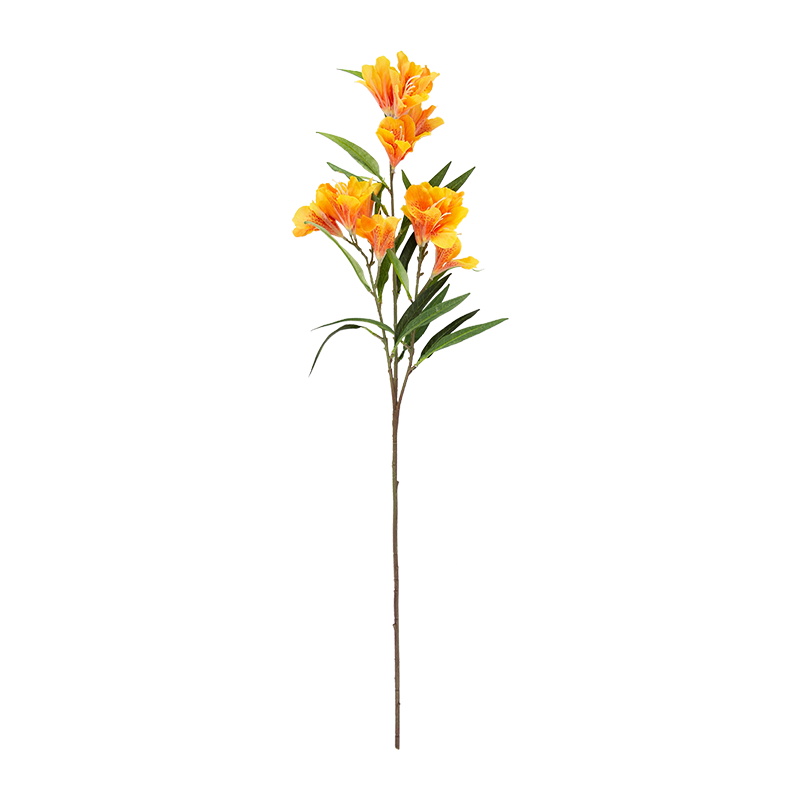
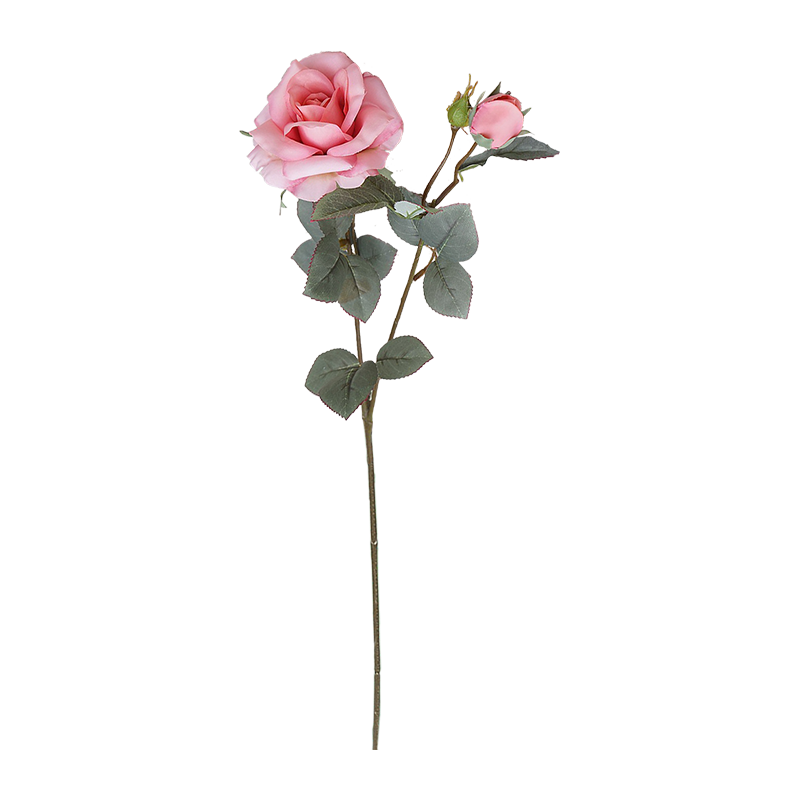
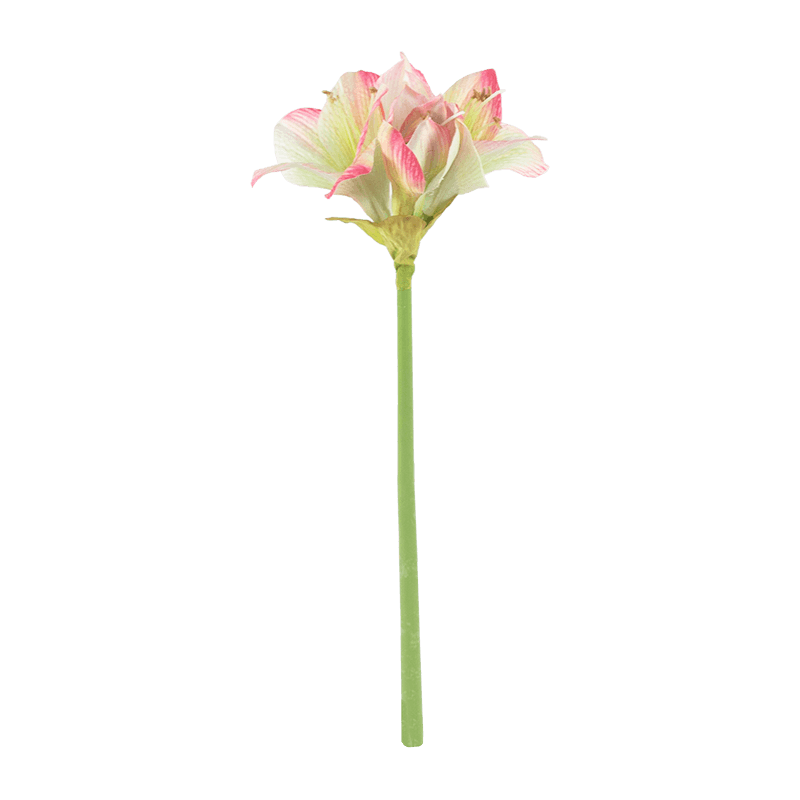
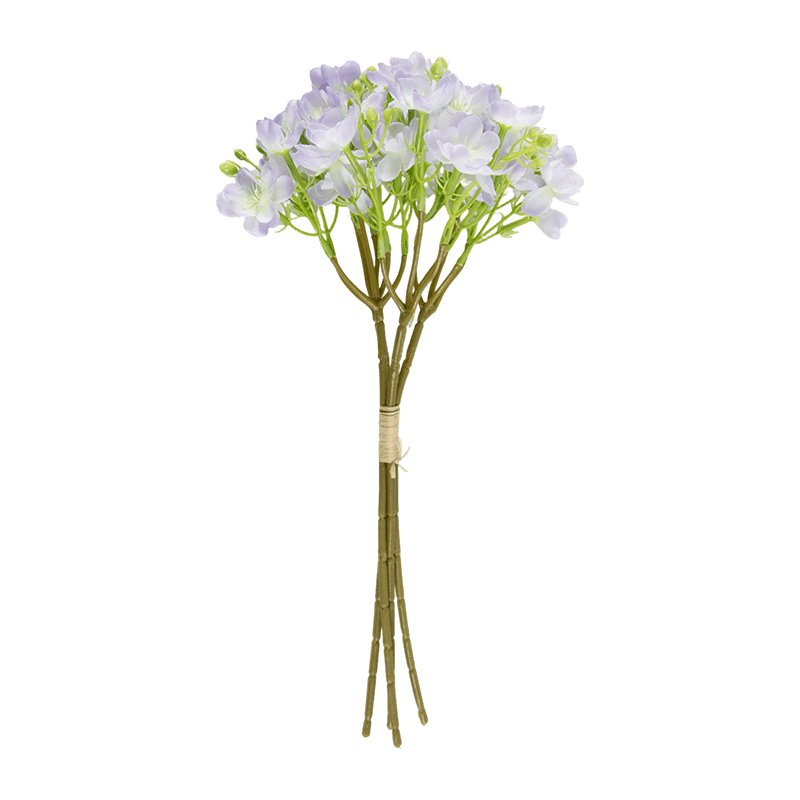
Wedding programmes usually combine several categories: spray artificial flowers for arch and aisle work, bush flowers for dense arrangements and centrepieces, hanging plants for ceiling and gazebo installations, and orchids for premium table work. Roses, peonies, hydrangea, eucalyptus and gypsophila are the species that recur most in briefs, so a supplier with these in several colourways can cover most of a season.
Colour Matching Is the Whole Job
Weddings are usually organised around a two or three colour palette, and a shade that is slightly off will be visible in every photograph. Confirm colour against physical samples rather than screens, and where a palette must match fabric, ask for a sample of the flower alongside the fabric swatch under the same light. For custom work, agree the exact shade in writing and keep a signed sample on file, so that a repeat order for the same client the following season is identical.
Volume, MOQ and Mixed Orders
Wedding work is fragmented: a single event may need small quantities of several designs. This is where MOQ becomes the practical issue. Ask the supplier for the MOQ per design and per colour, and whether different designs can be combined toward it. A mixed container lets an event supplier stock a broad palette of colours and species without holding a deep quantity of any single item, which suits a business that must answer briefs on short notice.
Lead Time and Season Planning
Wedding demand clusters around spring and summer in most markets, and late summer to autumn in others. Because production of artificial flowers is not seasonal but shipping is, the safe approach is to build stock in the quiet months. Place the season's order two to three months before demand peaks, allowing for production, inspection and sea freight. Suppliers who can schedule production flexibly are worth more than a slightly lower unit price when a season is approaching.
Packaging, Storage and Reuse
Event suppliers reuse stock, so packaging and storage matter as much as the item. Ask for cartons that keep sprays straight and protect petals, and confirm that arrangements can be stored flat. Because artificial flowers do not perish, a set of arrangements bought for one season becomes inventory for the next — a significant commercial advantage for rental businesses. Specify items that disassemble and re-form easily, and order spares of the most fragile components.
What to Send in an Inquiry
Include the species and colour palette you need, the approximate quantity per design, the number of events you are likely to cover, your market and your delivery window. If a brief is still forming, send reference images instead — a supplier can propose a matched range and a loading plan from images alone. Our wholesale FAQ covers MOQ, sampling and lead time in more detail.
Build Your Wedding Range
Wedding work rewards a supplier who can answer a brief quickly with the right colours in stock rather than a catalogue of near misses. Tell us the palettes and species you sell most, and our export team will build a mixed range with a loading plan sized to your season. Contact our export team to start planning, or browse the product catalogue for the current range.
PREV:How to Import Artificial Flowers from China: A Step-by-Step Guide
NEXT:Artificial Flowers for Hotels: A Sourcing Guide for Hospitality Buyers
NEXT:Artificial Flowers for Hotels: A Sourcing Guide for Hospitality Buyers
Interested in cooperation or have questions?




 Ready To Customise
Your Realistic Plants Products?

Product Categories
Quick Links
Contact Us
-
Telephone: +86-15957939205

-
Email: jenny@hansycraft.com

-
Add: No. 185 Xigang Street, Xiaoshun Town, Jindong District, Jinhua City, Zhejiang Province, P.R.China

-
whatsapp: 8615957939205
-
Website: Sitemap
