
 русский
 Español
 Português


Read More

Product Category
NEW Category
Contact us
Artificial Flowers Wholesale: What Buyers Check Before Ordering
Ordering artificial flowers wholesale is a long-term decision rather than a one-off purchase. The designs you approve this season usually stay in your catalogue for several years, so the checks you make before the first order decide how smoothly every repeat order will run. This guide covers the questions professional importers ask before they commit to a supplier.
Start With the Product Range, Not the Price
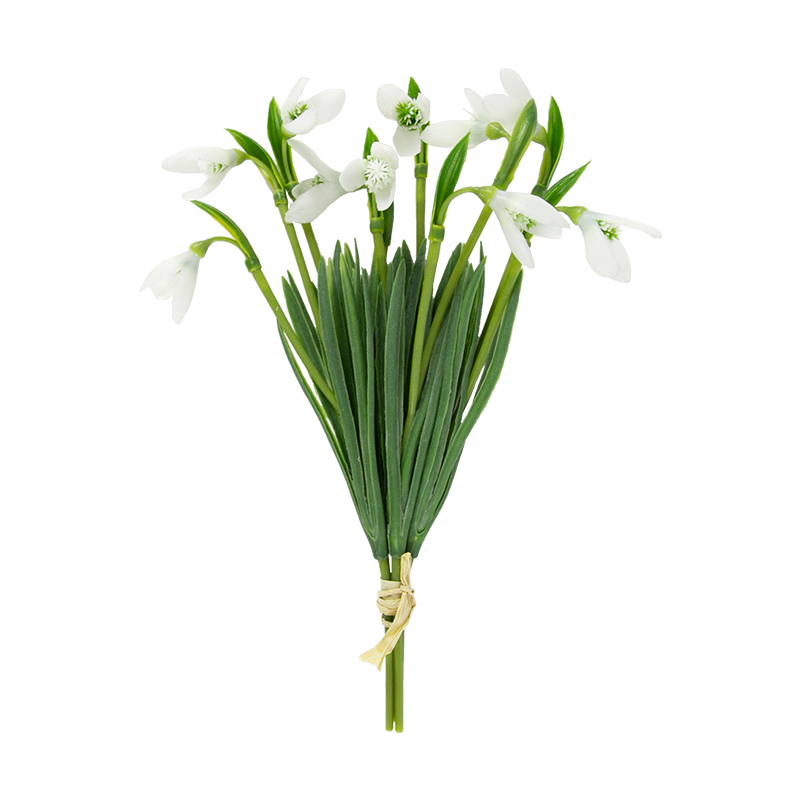
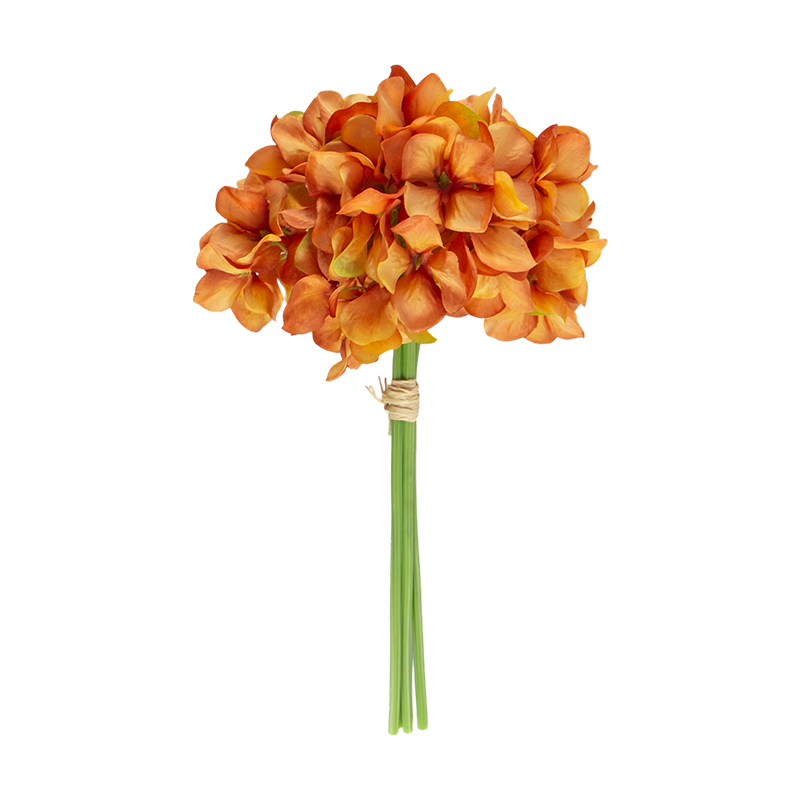
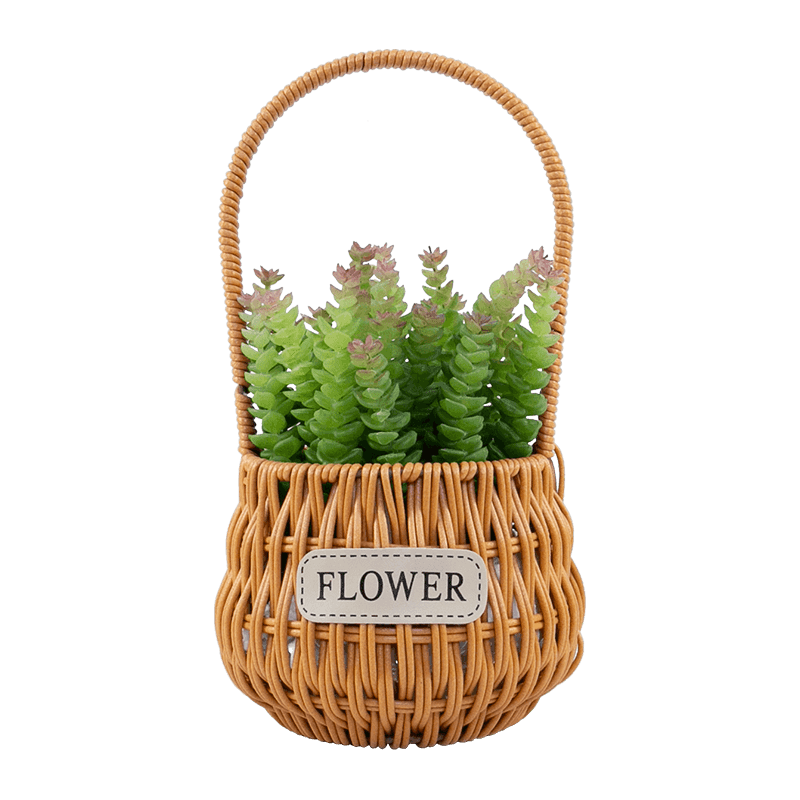
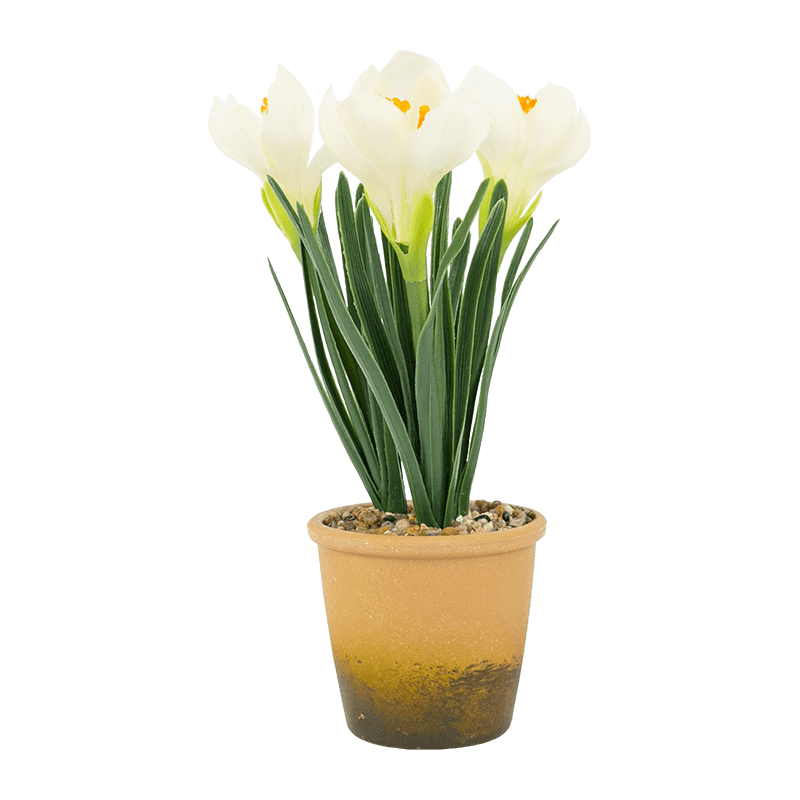
The first thing to review is whether a supplier actually manufactures the range you sell. A narrow catalogue forces you to split one order across several vendors, which raises freight cost and makes colour consistency harder to control. Look for a supplier that covers the categories you need under one roof — for example spray artificial flowers, bush flowers, butterfly orchids, potted plants, artificial trees, grass lawn and Christmas items. A broad range also means you can mix designs in a single container, which matters most on a first trial order.
Material and Finish
Two artificial flowers can look identical in a photo and behave very differently in a shop. Polyester and silk-like fabrics give a soft, natural petal with fine veining; PE and PU are firmer, hold their shape better outdoors and resist fading; plastic and foam components are typically used for stems, berries and soil. Ask which material each item uses, whether the colour is printed or dyed through, and how the item is finished at the edges. Our comparison of silk and PE artificial flowers explains how the choice affects retail positioning and price.
Colour Accuracy and Sample Approval
Colour is the most common source of dispute in artificial flower trade. Screens vary, and a red that looks warm on your monitor can arrive cool in daylight. Before a bulk order, request physical samples, view them under both daylight and shop lighting, and approve the exact item number in writing. Keep a signed sample on file with the supplier — that reference is what protects you on repeat orders eighteen months later. If a design is customised, confirm the approved colour swatch is recorded in the production file.
Packaging That Matches Your Sales Channel
Wholesale buyers rarely sell in the same way. A chain store needs shelf-ready cartons with a barcode and product label; an e-commerce seller needs mail-order boxes that survive the last mile without crushing petals; a garden centre may want items displayed in trays. Tell the supplier your channel before they quote, because packaging changes both the unit cost and the carton dimensions, and carton dimensions drive your freight calculation. Confirm the master carton size, pieces per carton and net/gross weight per item.
MOQ, Lead Time and Payment Terms
These three numbers decide whether an order is workable. Ask for the MOQ per design and per colour, and whether different designs can be combined to reach it. Ask for lead time broken into two figures: production time and shipping time. Ask which payment terms apply and whether a first order can be secured with a deposit. A supplier that answers these plainly is usually a supplier that can plan production properly. Typical terms for artificial flowers are covered in our wholesale FAQ.
Supplier Checks: Factory, Capacity and Inspection
Photos of a showroom do not prove production capability. Ask whether the supplier owns the factory or trades through a middleman, what equipment and workforce they run, and whether they accept third-party inspection such as SGS, Bureau Veritas or TUV before shipment. If you cannot visit in person, request a live video walk-through of the production line and the loading area. Our factory page shows the machinery and capacity behind our own production.
What to Send in Your First Inquiry
A well-prepared inquiry usually gets a usable quotation within a day. Include the item numbers or reference images you are interested in, the estimated quantity per item, your target market, your preferred packaging level, and the destination port. If you are still exploring, send your company profile and website instead — a supplier can then propose a range and a rough budget rather than waiting for a full specification.
Next Steps
Once these checks are complete, the ordering process becomes routine: approve samples, place the order, follow production photos, confirm inspection and book shipment. If you would like to test the process with a mixed trial order, contact our export team with your item list and destination port and we will reply with a quotation and lead time.
Interested in cooperation or have questions?
 Ready To Customise
Your Realistic Plants Products?

Product Categories
Quick Links
Contact Us
-
Telephone: +86-15957939205

-
Email: jenny@hansycraft.com

-
Add: No. 185 Xigang Street, Xiaoshun Town, Jindong District, Jinhua City, Zhejiang Province, P.R.China

-
whatsapp: 8615957939205
-
Website: Sitemap
