
 русский
 Español
 Português

Read More

Product Category
NEW Category
Contact us
Bulk Fake Plants Buying Guide
Buying artificial plants at scale is not the same as buying one decorative plant online. Bulk buyers are usually ordering against a retail collection, a hotel or office project, a landscaping schedule, or a seasonal promotion - which means the order has to be repeatable, consistent, and profitable after freight and duties are added. This guide walks through the decisions that matter when you source fake plants wholesale from a factory, from defining the product mix to checking compliance paperwork before shipment.
It is written for importers, wholesalers, retail chain buyers, interior designers, hospitality procurement teams, and wholesalers building their own private-label range.
What Counts as Bulk Fake Plants
"Bulk fake plants" covers a much wider range of products than most first-time buyers expect. A single purchase order often mixes several product families, because the same retail customer may buy a loose stem for DIY arrangements and a finished potted plant for immediate display.
The main families are:
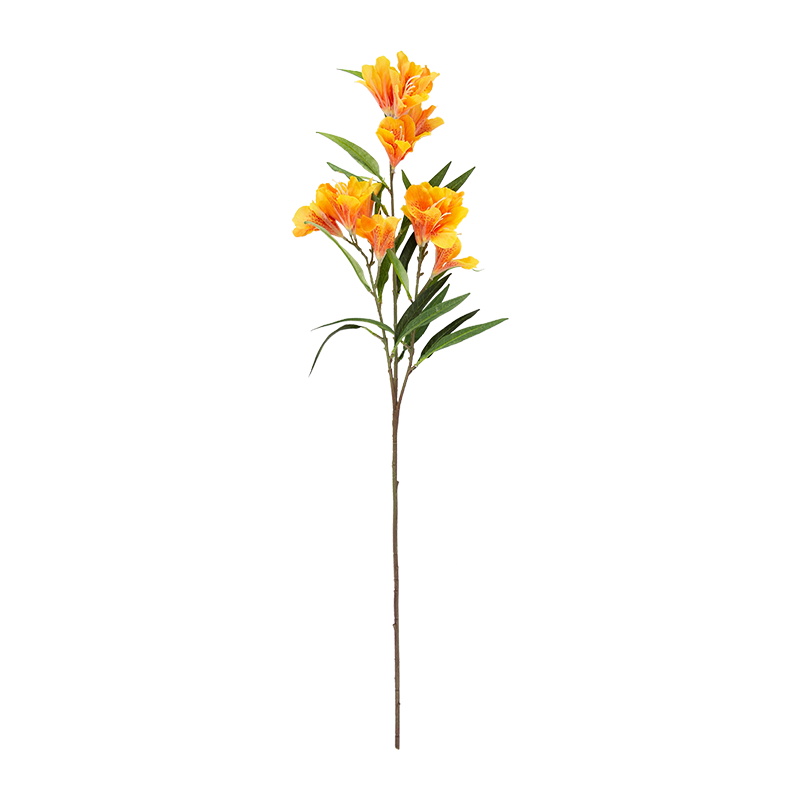
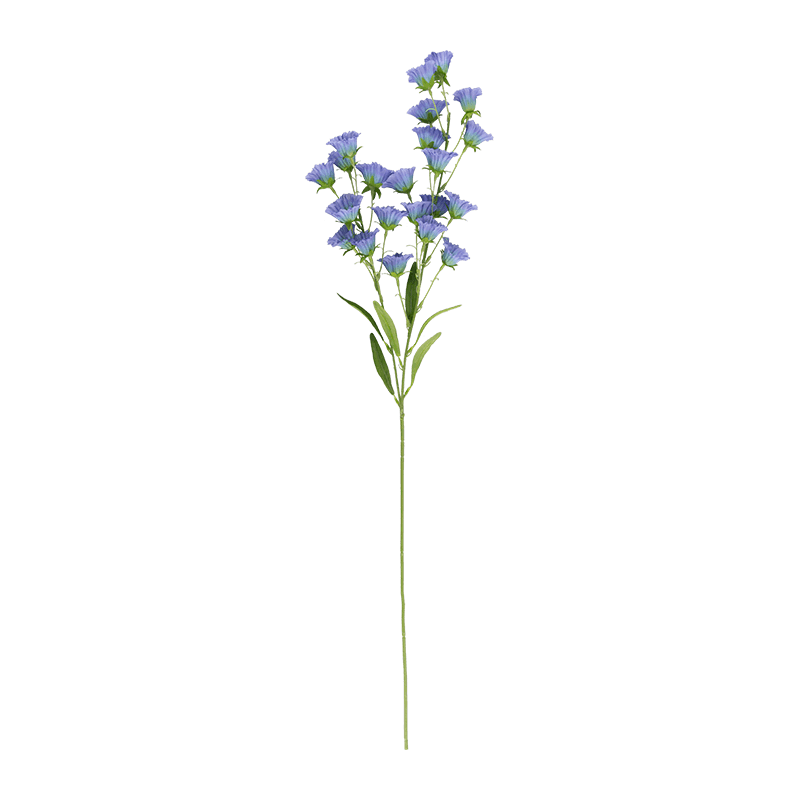
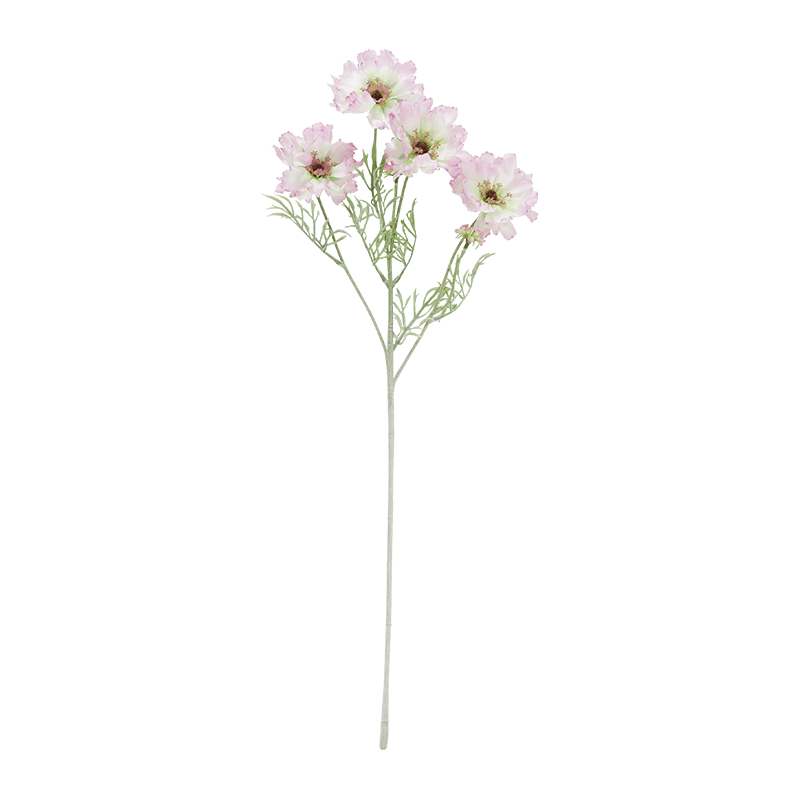
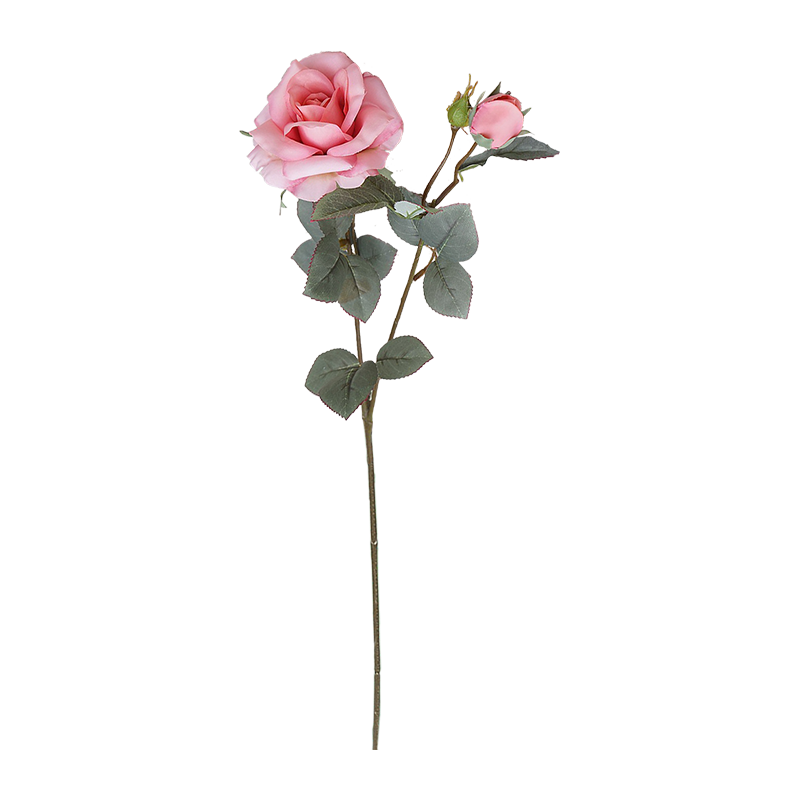
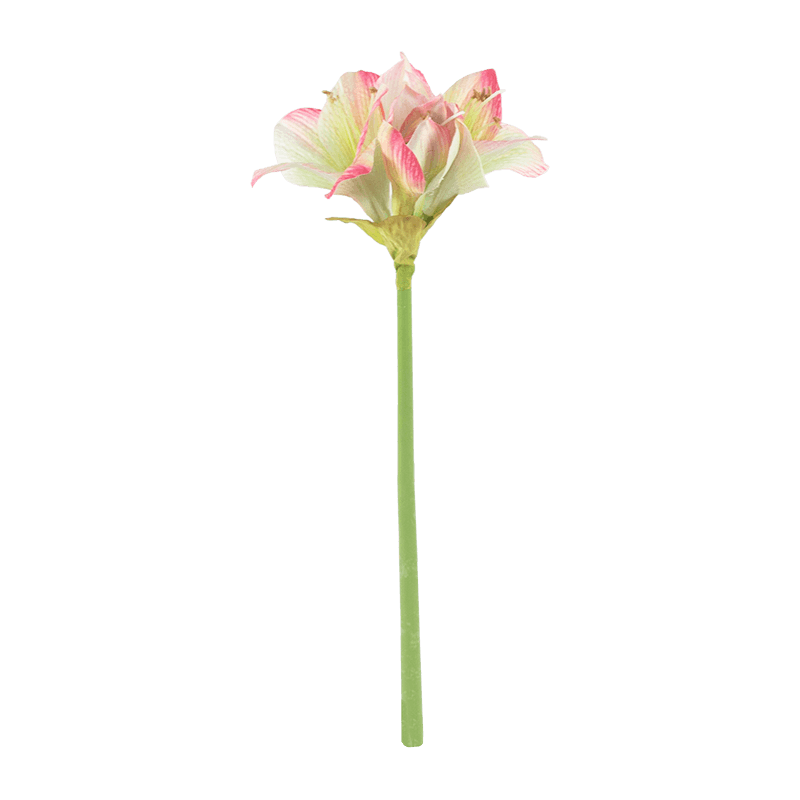
- Loose stems and sprays - single stems, sprays, and picks used for arrangement making. See spray artificial flower and bush artificial flower.
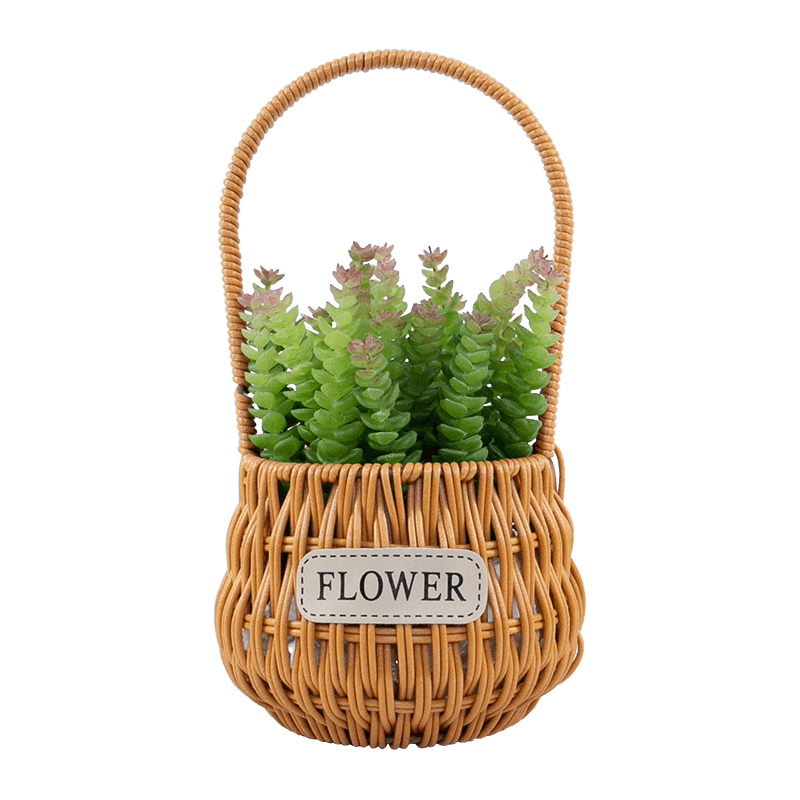
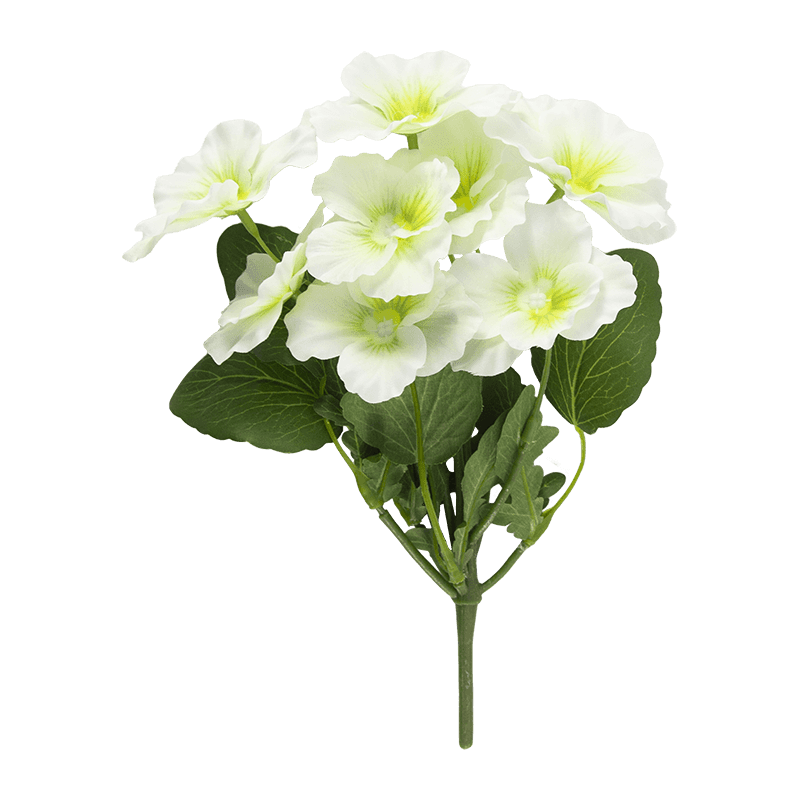
- Potted plants and trees - finished products with a pot, ready for retail or installation. See artificial potted flower and artificial tree.
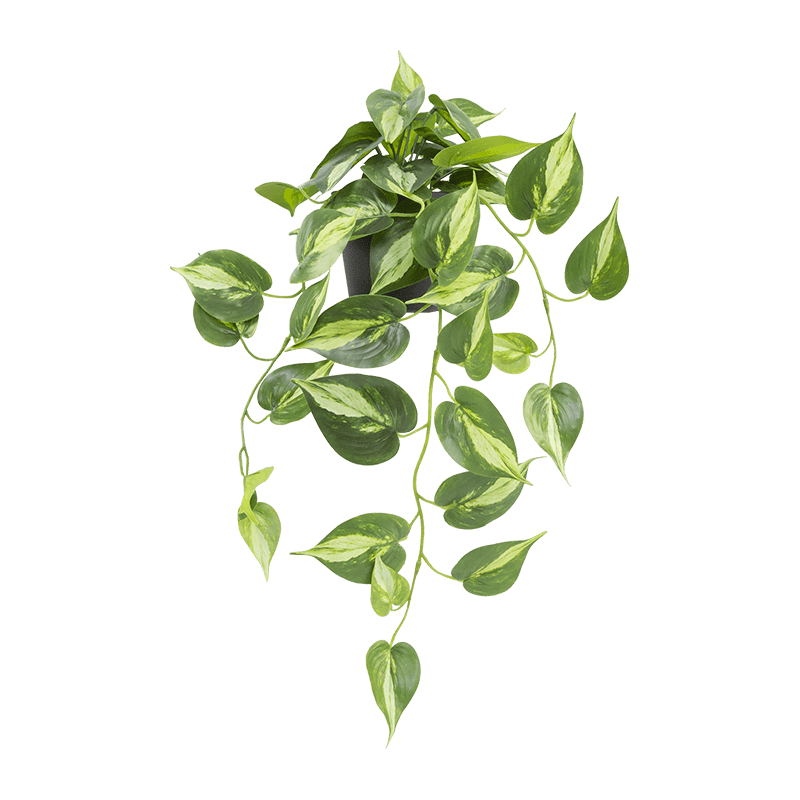
- Greenery and foliage - hanging plants, trailing vines, succulents, and mixed greenery used to fill arrangements.
- Grass and hedge products - lawn rolls, hedge panels, and wall greenery for landscaping and commercial fit-outs. See artificial grass lawn.
- Seasonal ranges - Christmas trees and holiday collections, which follow a completely different buying calendar. See Christmas tree.

Step 1 - Define the Product Mix Before Requesting Quotes
The biggest time loss in sourcing is sending a vague inquiry and receiving a catalogue back. Before contacting factories, define three things: the product families you need, the price tiers you want to cover, and the retail or project context the products will be used in.
A workable retail collection usually covers more than one price point. Entry-level items attract foot traffic, mid-tier items carry the margin, and one or two premium items (for example real-touch or large-scale statement plants) anchor the range. Factories can quote each tier separately, but only if they understand the structure you are building.
It also helps to state the market. Buyers selling into Northern Europe, North America, the Middle East, and Southeast Asia often need different colour palettes, sizes, and packaging standards for the same product.
Step 2 - Understand Materials and What They Mean for Price and Lifespan
Material choice drives both cost and how the product performs once it reaches the customer. The main options are:
PU (polyurethane) "real touch" - soft, flexible, and closest to the feel of a natural petal. Used for higher-end stems and orchids. Higher cost per stem, so usually aimed at premium retail and hotel projects.
PE (polyethylene) - a firmer plastic finish, widely used for outdoor-tolerant plants, grass, and foliage where weather resistance matters more than a soft touch.
Silk and polyester fabric - the classic artificial flower surface. Offers a wide colour range and good value, but varies in quality, so fabric weight and colour fastness should be checked on the sample.
PVC and mixed plastic - common in grass, hedges, and structural foliage.
Two specifications are worth confirming in writing for every outdoor or semi-outdoor order: UV treatment (which slows fading) and, where required by the project, fire-retardant treatment. Indoor decorative products used in commercial spaces may also be subject to fire-safety requirements in the destination market. Ask what documentation the factory can provide rather than assuming it exists.
Step 3 - Quality Checks to Run Before Placing a Bulk Order
Artificial plants are hand-assembled products, so quality is decided by process control rather than by a single specification. On a sample, check the points that most often turn into customer complaints:
- Colour consistency - ask for at least three pieces of the same SKU. Dye lot differences are the most common cause of returns.
- Petal and leaf attachment - pull gently on petals and leaves. Poorly glued pieces fall off during shipping or in the customer's hands.
- Stem and wire strength - the stem should hold its bend and support the head without drooping.
- Pot stability and weight - a light pot tips over easily, which is a frequent complaint on potted plants and small trees.
- Shape memory - pack the sample back into its carton, leave it for a few days, then reopen it. Real-touch products should recover their shape.
- Finish details - glue visible at the joint, loose threads, and uneven colour at the edge all suggest a factory running without a final inspection step.
A factory that sends photos and a written QC summary with the sample is usually the one that will also control quality on the production run.
Step 4 - MOQ, Quotation Terms and Sampling
MOQ (minimum order quantity) in the artificial plant industry is normally set per SKU and sometimes per colour, not per order. That means a "MOQ 300" order may in practice require 300 pieces of each style you select. Clarify this before you plan a mixed container, because it is the single most common misunderstanding in first orders.
Other terms to settle in writing:
- Sample cost and whether it is refundable against a bulk order.
- Sampling lead time, and production lead time after deposit - separate numbers, not one combined figure.
- Trade terms - EXW, FOB, CIF, or DDP. FOB is the most common starting point for container orders, but confirm which port and which costs are included.
- Payment terms - typically a deposit with the balance paid against the bill of lading or before shipment. Confirm this early, as it affects your cash flow planning.
- Order tolerance - the acceptable over- or under-production percentage.
A well-structured inquiry contains: product references, quantity per SKU, target price range, destination country, packaging requirements, and required delivery window. Inquiries with these details get accurate quotations instead of rough estimates.
Step 5 - Customisation Options for OEM and ODM Orders
Once volumes are stable, customisation is where margin is usually created. Common options include:
- Colour matching against a Pantone reference or a physical swatch, so a collection stays consistent across seasons.
- Size and head-count adjustments - taller stems, more heads per stem, or larger overall dimensions for a specific retail price point.
- Packaging and private label - printed hang tags, barcodes, gift boxes, and retail-ready inner packaging that lets you ship straight to store.
- New designs developed from your reference samples, sketches, or images.
Custom projects need more lead time and usually a higher MOQ, because they involve new tooling or new dye batches. For more detail on how development orders work, see artificial flower manufacturer for custom designs.
Step 6 - Packaging and Shipping for Bulk Orders
Packaging decisions determine how much product fits into a container, and therefore your landed cost per unit. Three points matter most:
Carton specification. Ask for the carton dimensions and the number of pieces per carton. A carton that is 5 cm too large across 40 cartons wastes measurable space.
Internal protection. Artificial plants are bulky but fragile at the petal and pot. Individual wrapping, inner dividers, and an inflation bag where needed prevent the "arrived crushed" problem that destroys retail value.
Loading plan. A 40HQ container holds roughly 68 cubic metres, but artificial plants are volume-limited, not weight-limited - so cubic metres, not kilograms, is the number you should be optimising. Ask the factory for a loading plan before confirming the order if you are mixing several SKUs.
For mixed orders, confirm how SKUs will be separated and labelled, so that unpacking at the warehouse does not turn into a sorting project.
Step 7 - Compliance and Paperwork for Import
Documentation requirements depend on the destination market and on how the goods will be declared. Typical export documents include the commercial invoice, packing list, bill of lading, and certificate of origin, and some markets also require specific test reports.
Buyers frequently ask suppliers for material composition statements, test reports for restricted substances, and, for products intended for use around children or in public spaces, relevant safety documentation. Availability varies by product and by material, so the practical approach is to request the documents you need at the quotation stage and confirm they can be issued with the shipment.
It is also worth confirming responsibility for customs clearance and duties. Under EXW and FOB terms that responsibility sits with the buyer; under DDP it sits with the supplier. Whichever term you use, make sure it is written on the proforma invoice.
Step 8 - How to Compare Fake Plant Suppliers
Price alone is a poor comparison basis, because a cheaper quotation usually means fewer stems per pot, thinner fabric, or lighter packaging. Compare suppliers on these points instead:
- Width of the product range, and whether it stays stable between seasons.
- Response time and quality of communication during the sample stage.
- Whether QC is documented, and whether the factory sends production photos.
- Packaging standard, and willingness to adapt it to your retail requirement.
- Flexibility on MOQ for a first trial order, and clarity about how it changes for repeats.
- Reference markets and product categories already supplied.
Why Buyers Source From a China Artificial Plant Factory
China remains the largest production base for artificial flowers, plants, and greenery, which means material choice, mould development, and component supply are all available in one region. Working directly with a manufacturer rather than through trading layers gives buyers access to new designs earlier, better control over specifications, and a clearer path to custom packaging and private label.
Zhejiang Hansy Craft Co.,Ltd. is an artificial flower and artificial plant manufacturer based in Zhejiang, China, supplying artificial flowers, potted plants, trees, hanging plants, grass lawn, and Christmas items to buyers in Europe, North America, and Southeast Asia. You can review the production process on our factory page and the full product range in the products section.
Quick Checklist Before You Send an Inquiry
1. Product families and SKUs you want to price.
2. Quantity per SKU, and the MOQ you can realistically commit to for a first order.
3. Destination country and required delivery window.
4. Material and finish preference (real touch, standard, UV-treated, fire-retardant).
5. Packaging requirements, including private label and barcodes.
6. Documents you need with the shipment.
7. Target landed cost, so the factory can propose a specification that reaches it.
If you send those seven points, you will receive comparable quotations instead of catalogue links - which makes the decision much faster.
To discuss a bulk fake plants order, a mixed container, or a custom development project, contact us with your product list and target quantities and we will come back with a quotation and a sampling plan.
PREV:Silk vs PE Artificial Flowers: Which Material Should Wholesale Buyers Choose
NEXT:Artificial Flowers From China for Wholesale Buyers
NEXT:Artificial Flowers From China for Wholesale Buyers
Interested in cooperation or have questions?
 Ready To Customise
Your Realistic Plants Products?

Product Categories
Quick Links
Contact Us
-
Telephone: +86-15957939205

-
Email: jenny@hansycraft.com

-
Add: No. 185 Xigang Street, Xiaoshun Town, Jindong District, Jinhua City, Zhejiang Province, P.R.China

-
whatsapp: 8615957939205
-
Website: Sitemap
